Crewing, a verb, to crew.
According to the Dictionary.com (because Oxford and Cambridge have a pay wall), “to serve as a member of a crew on a ship, boat or aircraft etc”
Who’s going to carry the boats? I hear you say, well the crew apparently!
In a trail and ultra running context, which is strangely not mentioned on Dictionary.com, is to serve as a member of a runners support team.
Duties may involve picking up and dropping off the runner at the start and finish of the event, attending check points or aid stations along the way to provide food, water, bathing and various forms of emotional support, content creator, stuff carrier and chauffeur.
During the race duties may also involve listening to your runner complain about their feet, legs, chafe and sunburn, how hard the course is, how bad the weather is and how they may not make if you don’t find them a McDonalds cheese burger when the closest Macca’s is 200km away.
After the race, duties will involve listening to your runner talk about every inch of the race, driving around to points on the course to get that perfect photo with their medal and having to cook and clean for them while they whinge about their self inflicted 100km injuries.
Oh and you will be exhausted and not get paid.
So Who’s in?
Jokes aside, crewing is a really large part of trail ultra running. Courtney Dewalter’s Salomon TV video from earlier in the year declared trail running a “team sport”.
It’s a similar context as Formula One racing, the driver is the focal point, the one doing the thing (on the day but also all the training) but they wouldn’t be able to without the coaching, the pit crew, the mechanics and engineers, the nameless assists.
Ultra trail running is the same, only one person has to get from point A to point B on their own to feet, but there are many folks behind the scenes or in a crewing context, at the aid stations, that help the runner do the thing.
When I’m doing the running, I’m not the biggest fan of having crew, asking for and accepting help, for better or usually worse, is not part of my DNA.
But I don’t mind a little crewing.
I’d rather spend my day volunteering and helping everyone on the course, but if someone asks you to help them achieve something hard and something special, then I’m totally in and going to try my best to support them in achieving that goal.
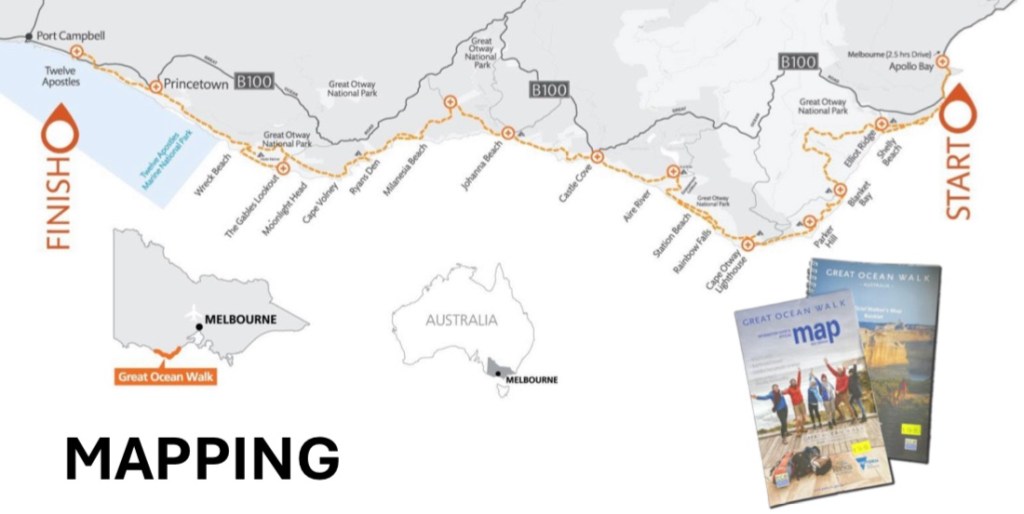
This past weekend, I headed out to Apollo Bay on the Great Ocean Road to support and crew my husband Fitz and my running bestie, Megan in the Great Ocean Trail Ultramarathon 100km race.
The race was a point to point race that started in Apollo Bay and finished in Point Campbell on Victoria’s ship wreck coast.
Logistally, it’s a bit of a nightmare and very hard to do on your own.
It’s the middle of no where. There is no public transport or Uber or taxis and none of the small stores are open past 7pm or even earlier.
It’s a 90 minute drive (at best) from Apollo Bay to Point Campbell and there is basically nothing in between.
The organisers tried to make it easier this year, with a bus back to Apollo Bay the following day, but you’d still have to workout the logistics of checking out of one motel, with all your stuff on race morning and somehow having enough stuff in your finish line bag to survive the night in a motel in Port Campbell. It’s do-able, it’s just complicated.
The logistics of doing it solo is the main reason I haven’t done the race myself.
The course is a traditional route that many hikers do each year over a number of days, but the runners have 20 hours to do it.
We drove down to Apollo Bay on Friday afternoon for check in and race briefing on Friday night before the start at 5:00 am on Saturday.
Being support crew for this part is easy, it’s just driving from point A to point B, being there at the briefing to know what the rules for support crew are and then making sure your runner eats something and goes to bed early.
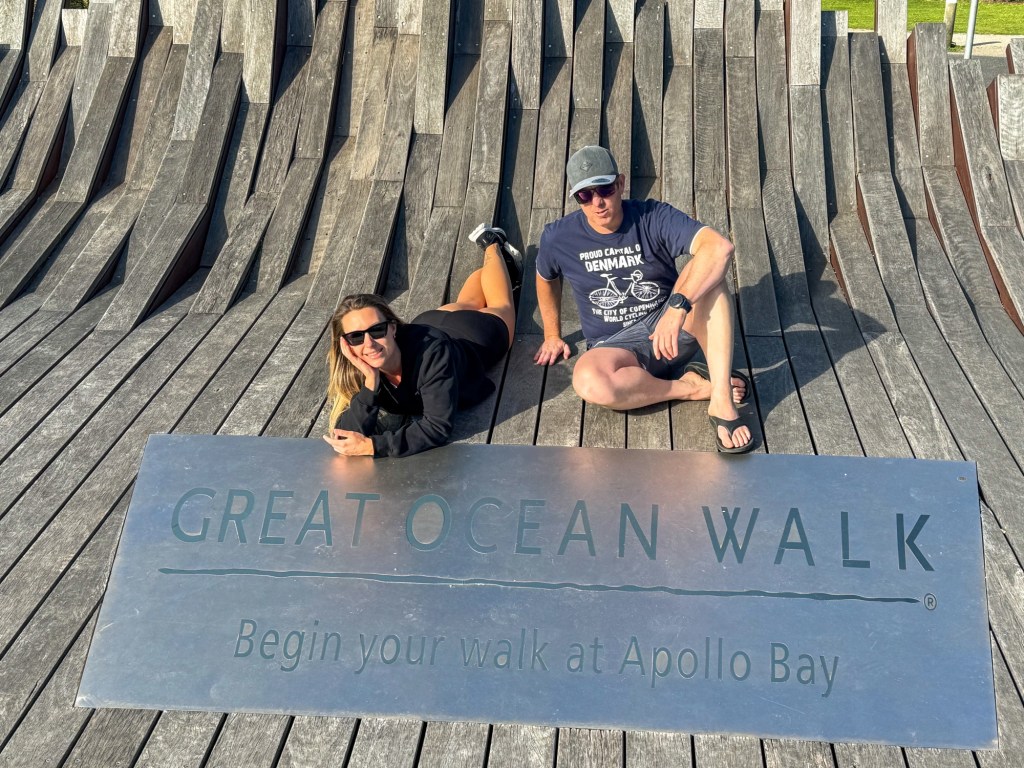
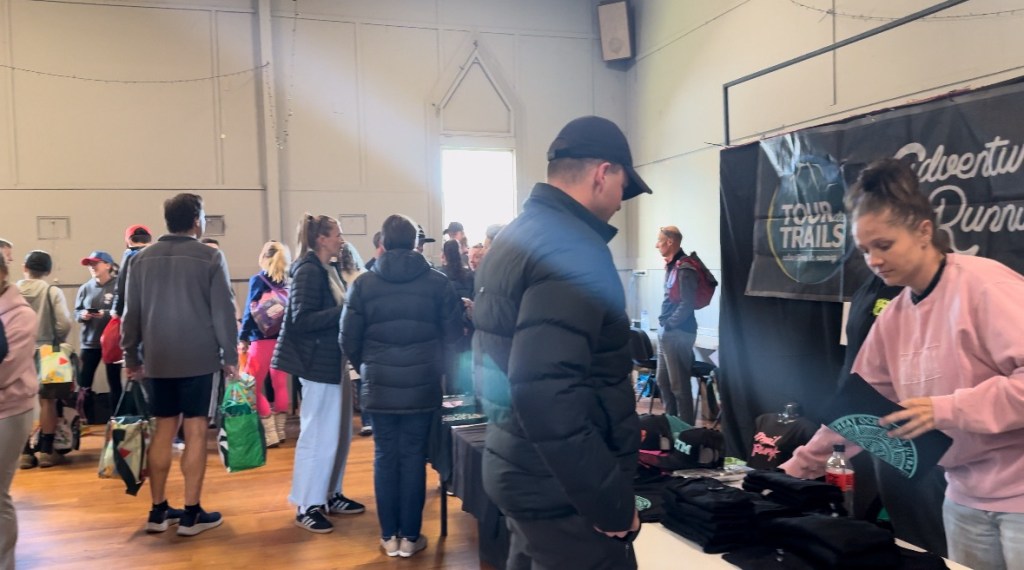
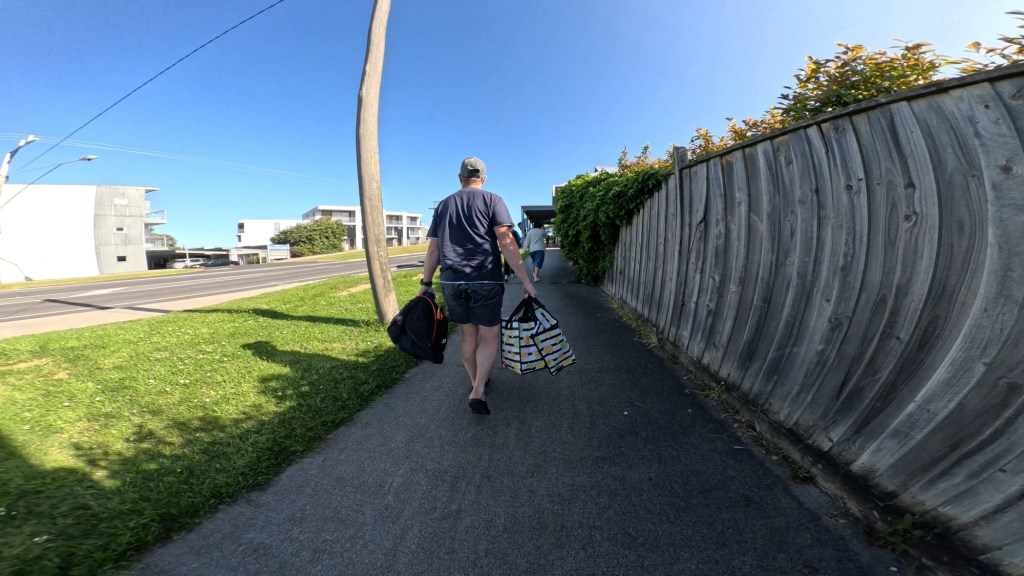
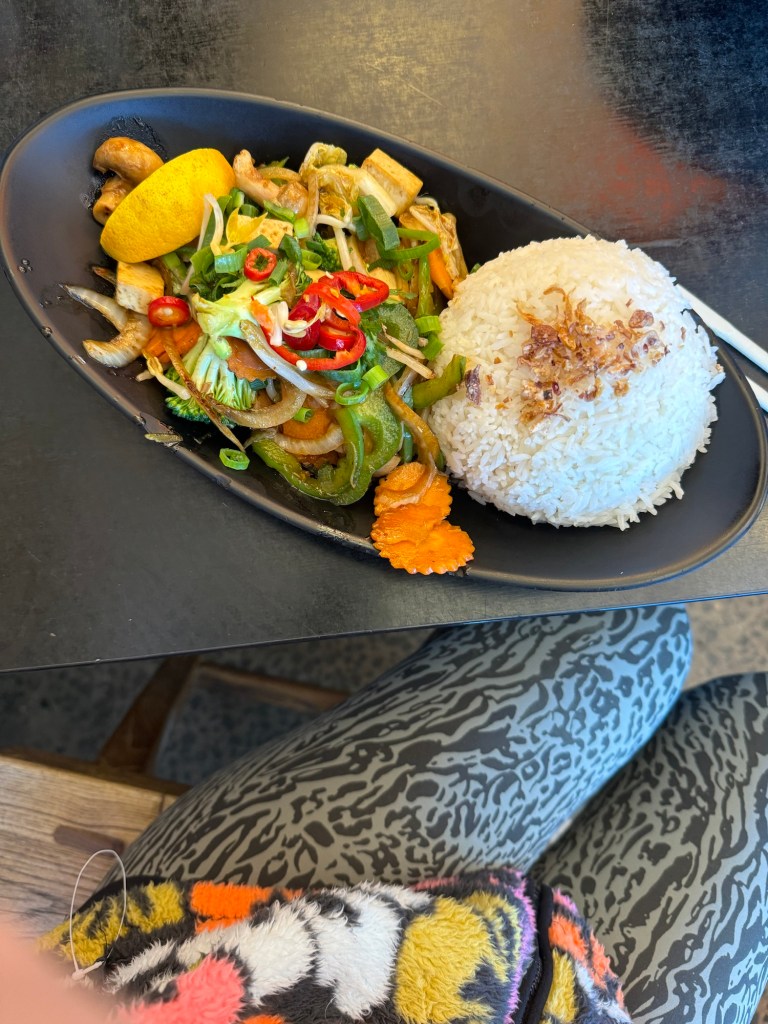
Turns out I made my first mistake as crew chief when I signed Fitz up for the race.
For some reason, I included a small womens t-shirt in his registration pack!
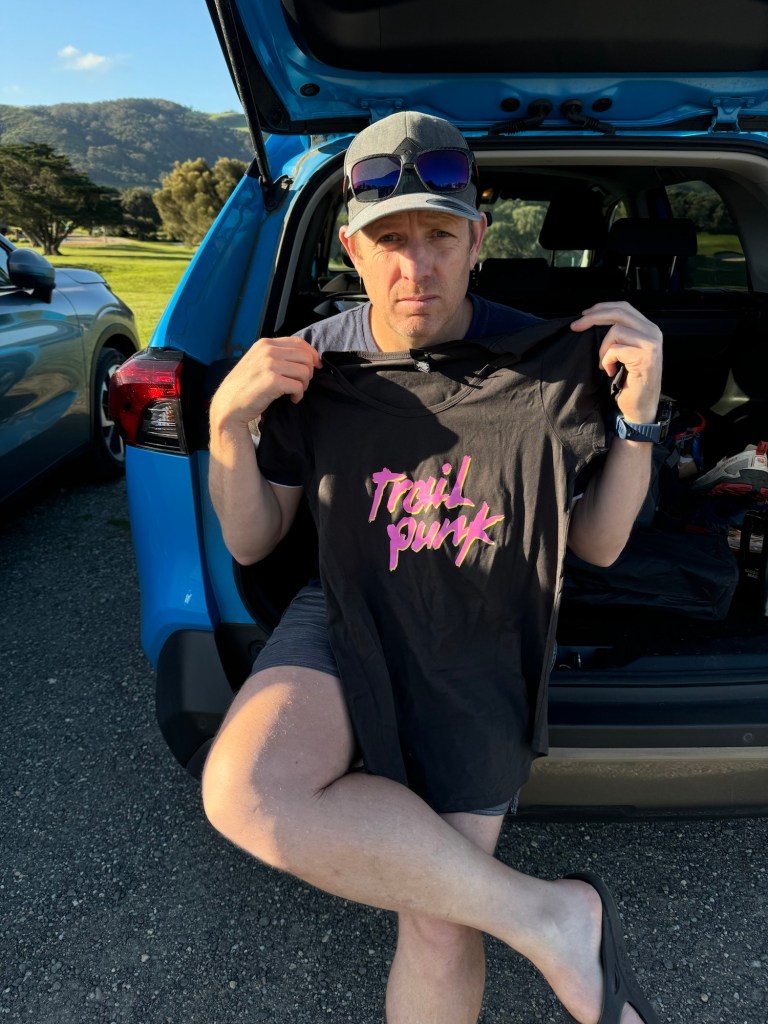
Race kit all sorted and ready to go, it was early to bed for us.
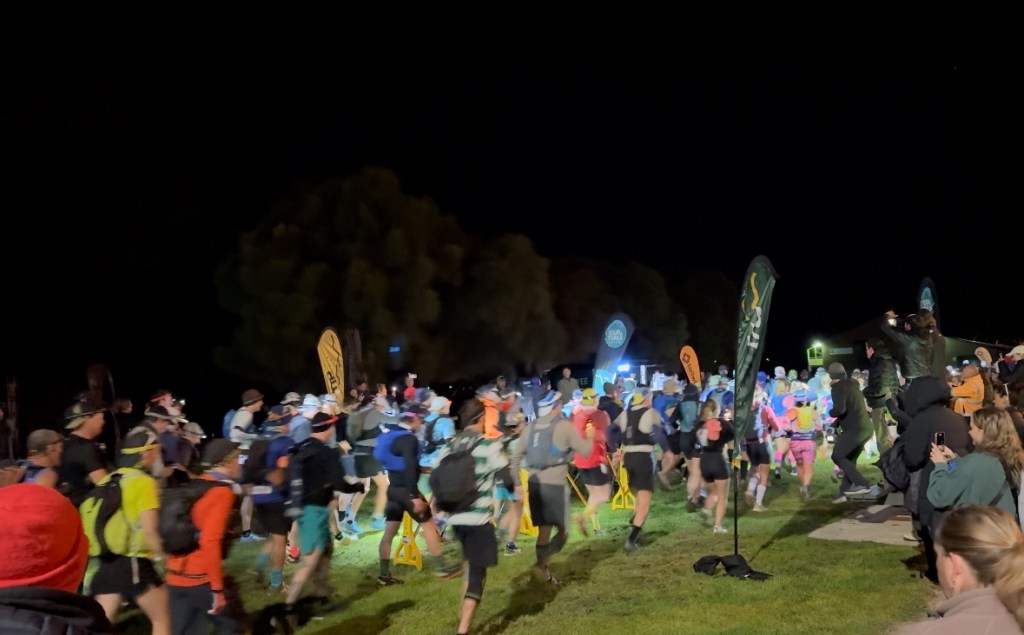
The race started about 200 metres from our motel at 5:00am but the alarm still went off at 4:00am.
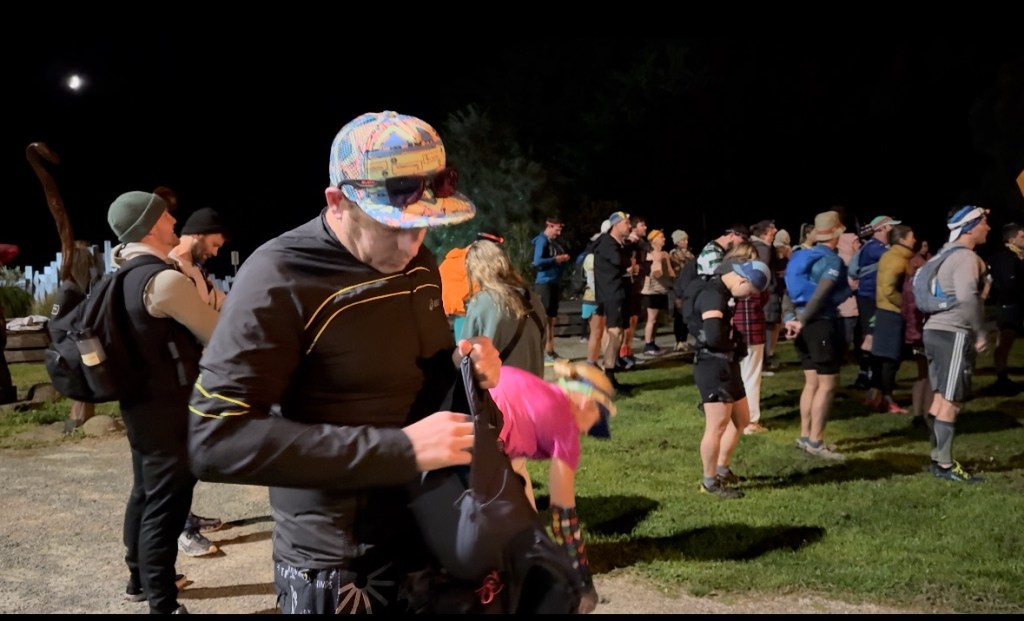
We shuffled out about 15 minutes before and at 5:00am they were off running.
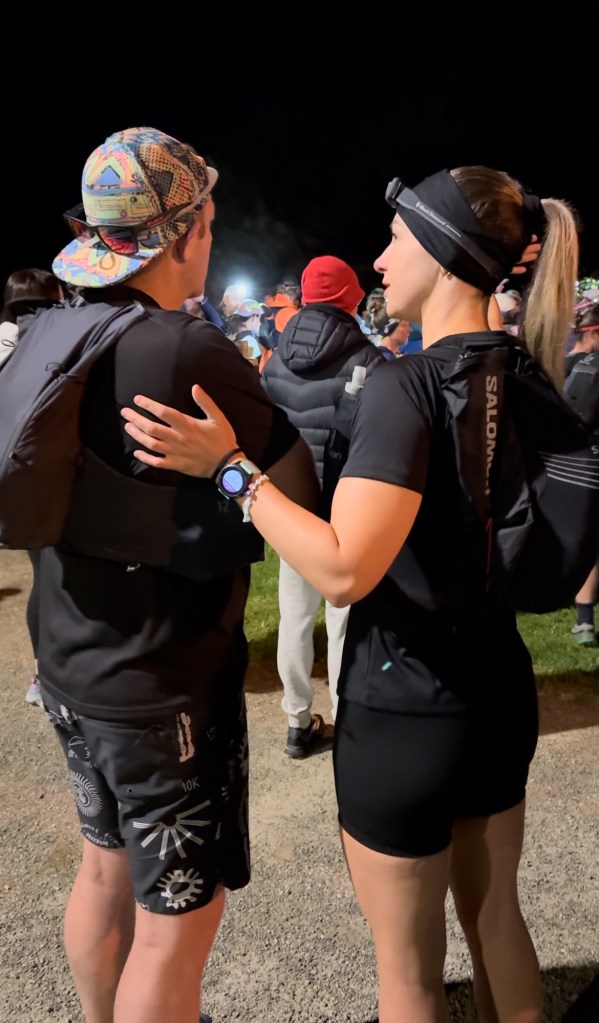
We had worked out before hand which aid stations and crew spots I was going to head to and Megan had pre prepared a spreadsheet for her partner Ben who was her crew chief in his 100k race debut.
Tip 1: Variations of predicted or estimated times at checkpoints are super helpful for crew.
Try https://ultrapacer.com if you aren’t much of a spreadsheet person.
The course had limited aid so they had to carry a lot of snacks and water with them on the course.
The first spot we could get to see them was at the Cape Otway Lighthouse at around the 30km mark.
So as crew, we had some time to kill.
I went back to the motel, had breakfast and went for a short run before packing everything up and checking out of the motel.
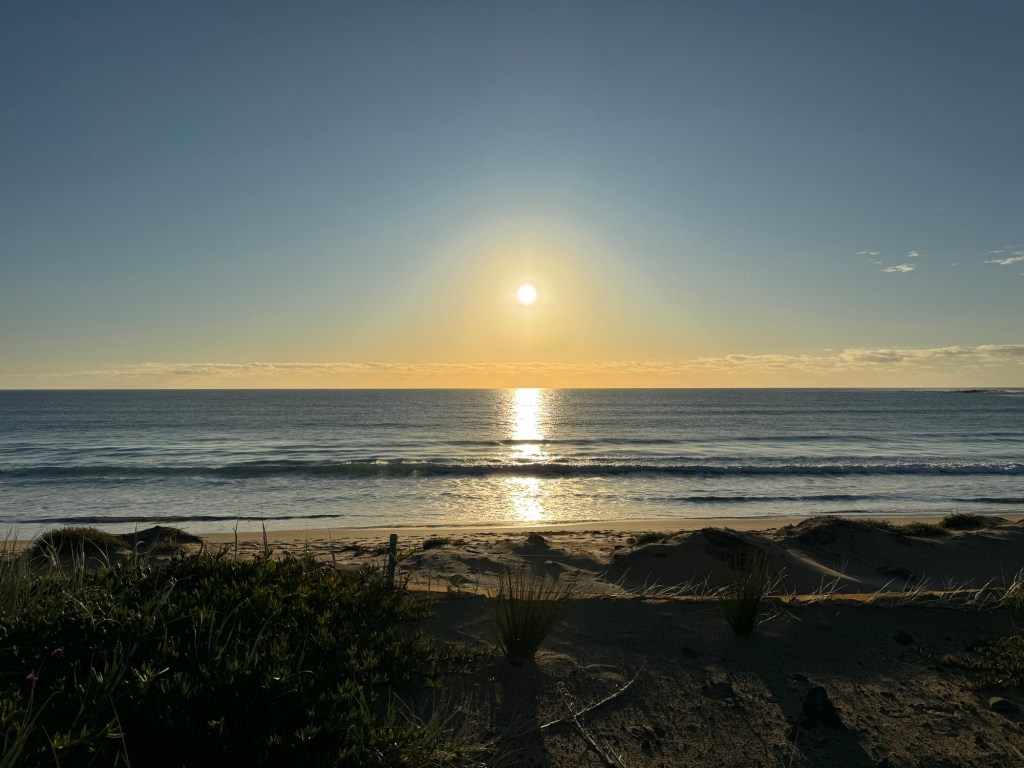

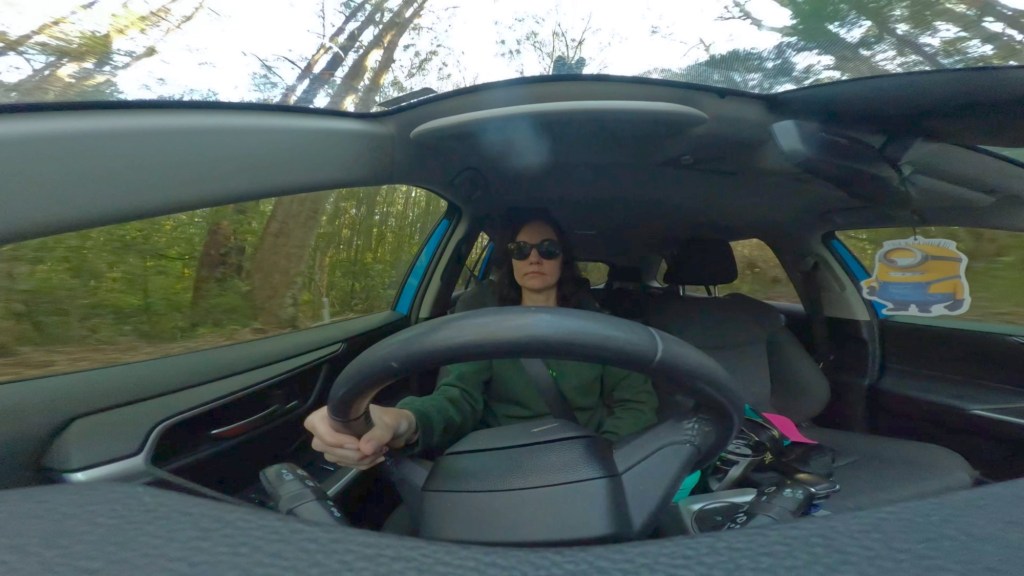
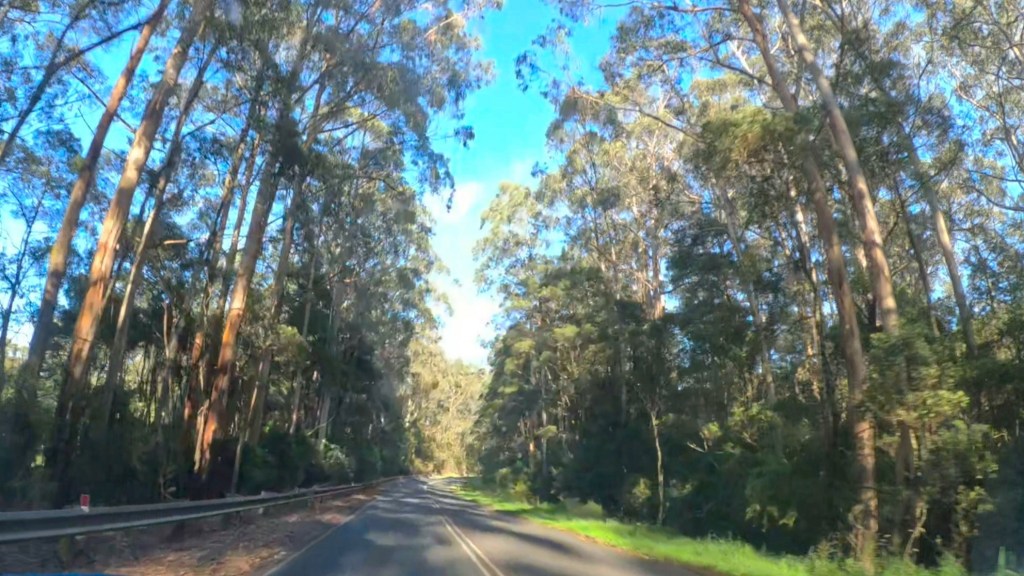
Then it was off to the first spot.
Luckily, we had decided to activate our Garmin Inreach subscription for the race.
The race is very low key at the moment, it’s under new management and in a transition phase. There was only one timing mat and that was at 55km so there was no way of tracking your runner.
After trying and failing to use Apple AirPods at my race a few weeks ago, we opted to pay the $50 to turn on the InReach to allow me to track Fitz. It “pinged” every 10 minutes and was an absolute godsend for crewing duties.
Tip 2: Use a tracker
The lighthouse was a nice and easy spot to crew. It’s a tourist location with a large bitumen carpark and easy access. It was only a 35 minute drive or so and the runners were coming straight through the carpark so you didn’t have to lug all their stuff with you and set up. Some folks crewed out of their car boot.
The biggest trap for folks crewing this race is the time estimates for driving on the Great Ocean Road. Google uses speed limits, tourists do not. They drive at 20km/h in an 80km/h zone.
Tip 3: Allow extra time
From the spectator spot at the lighthouse it was off to Aire River at 40km.
The good thing about the Capra app that the race was using is each aid station or crew spot is integrates with Google or Apple Maps so you can click on each spot and it will tell you how to get there or give you the GPS coordinates.
I’m not sure what the cost per runner would be but all races should have this, it’s fantastic for runners to navigate whilst on course and crews as well.
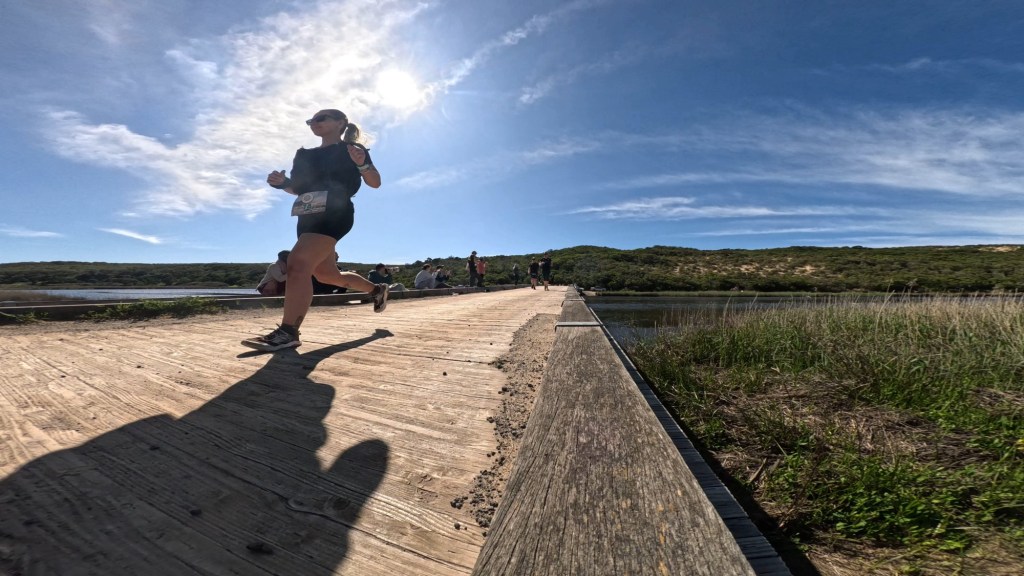
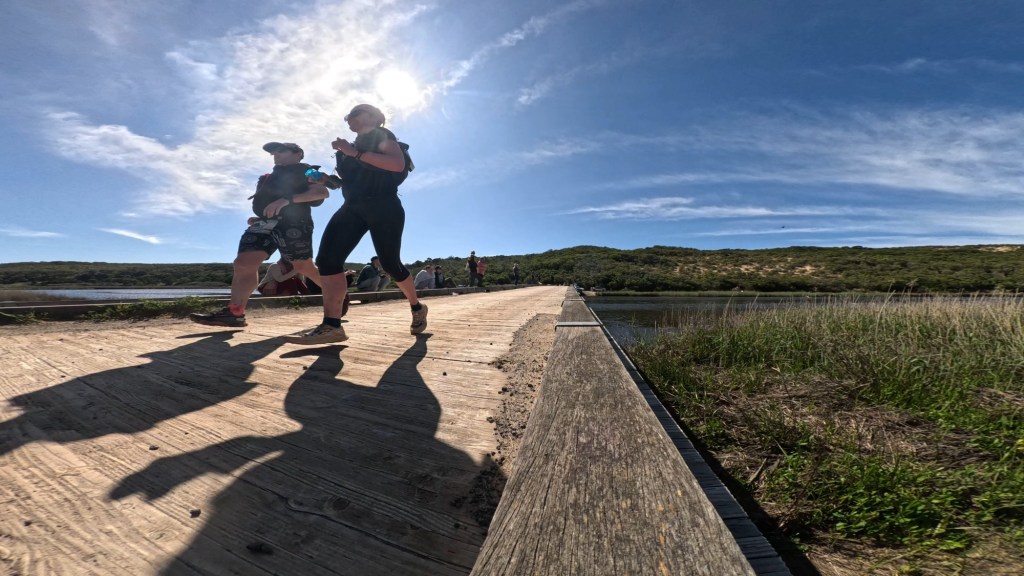
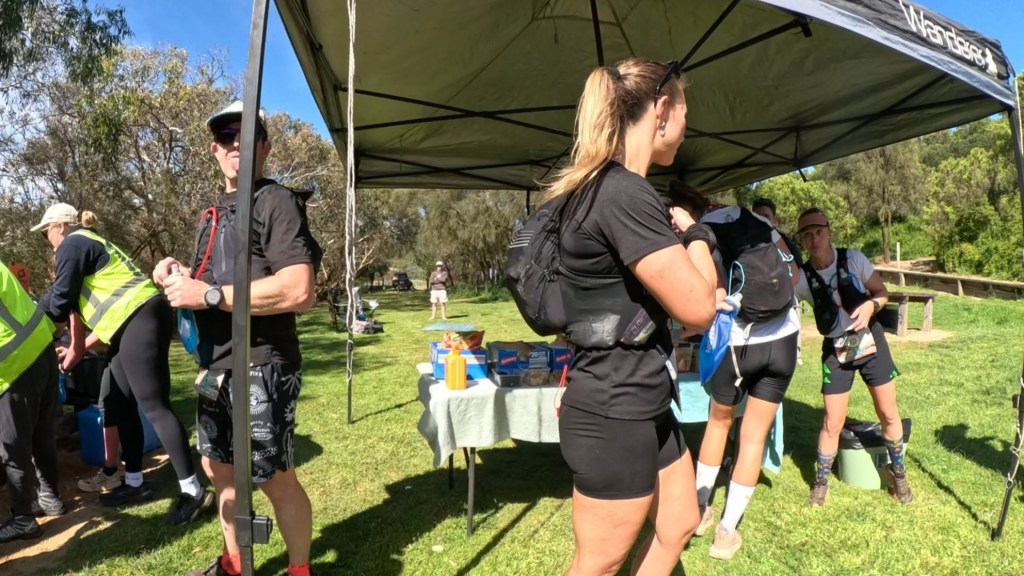
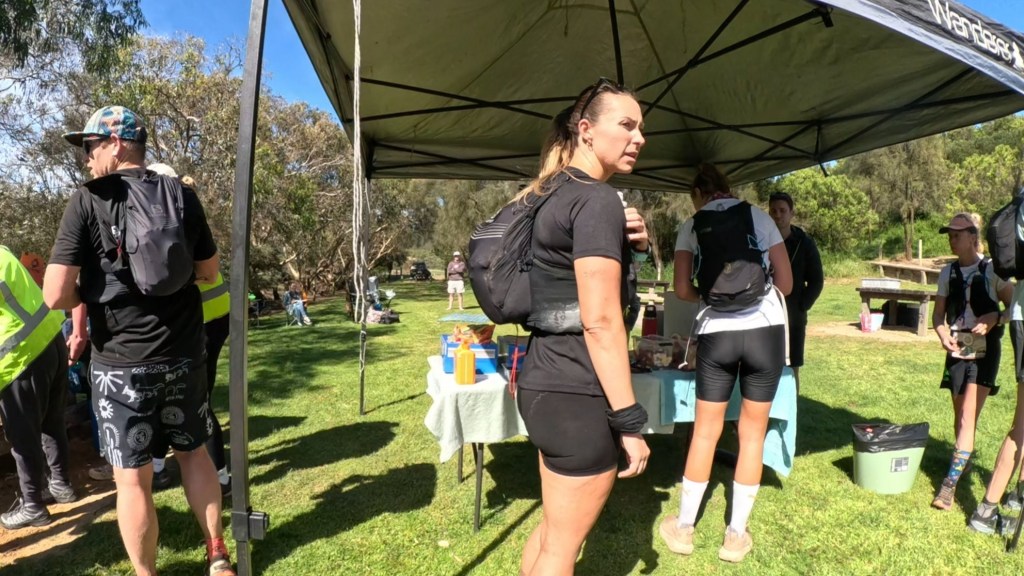
The checkpoint was a bit of a distance from the carpark so we lugged everything in only for them not to need anything from us.
They were looking strong, filled up their water, got some watermelon and headed off to the next checkpoint at 55km.
The 55km checkpoint at Joanna Beach was a bit of a pickle for crew. It’s a popular surf spot and there were cars parked everywhere.
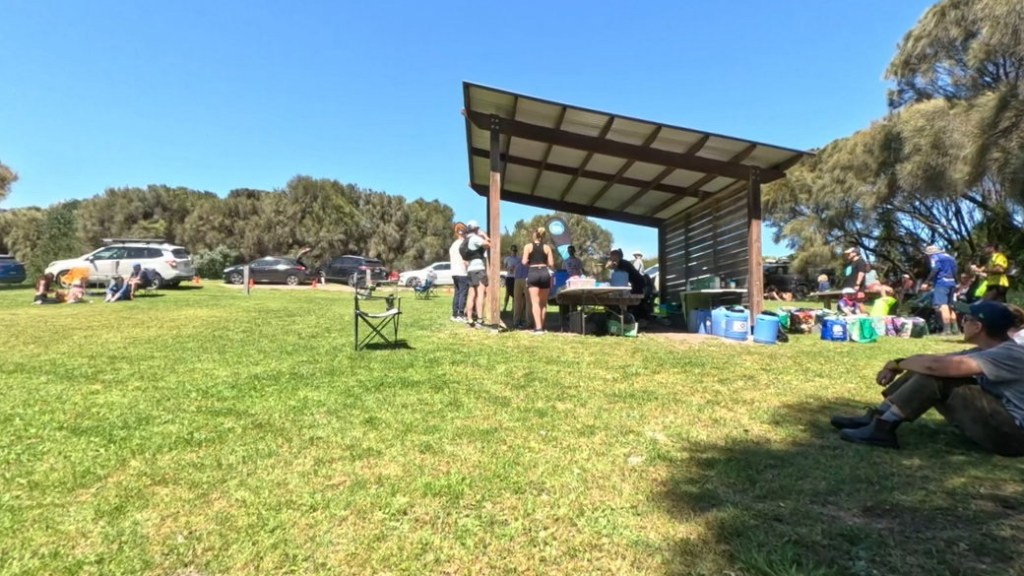
We parked a bit down the road and carried all the stuff in. Next time I’ll have a better system so it’s easier to carry everything in.
Each checkpoint I was carrying in the crew bag which was full of spare clothing, general clothing and first aid supplies, a plastic tub of snacks, a giant camp chair and a small esky. I definitely could have been more organised and made it easier for myself.
Tip 4: Have a system
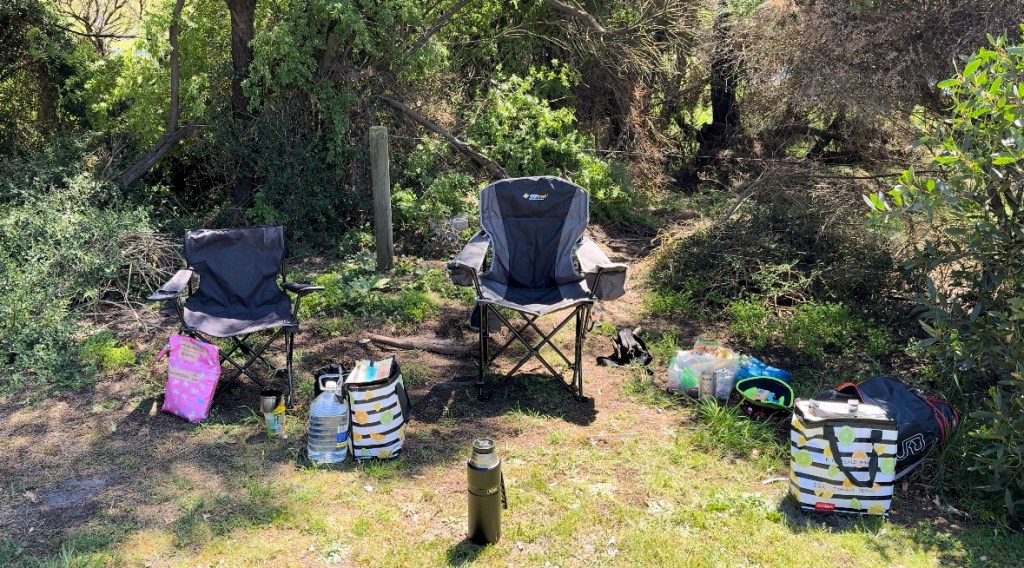
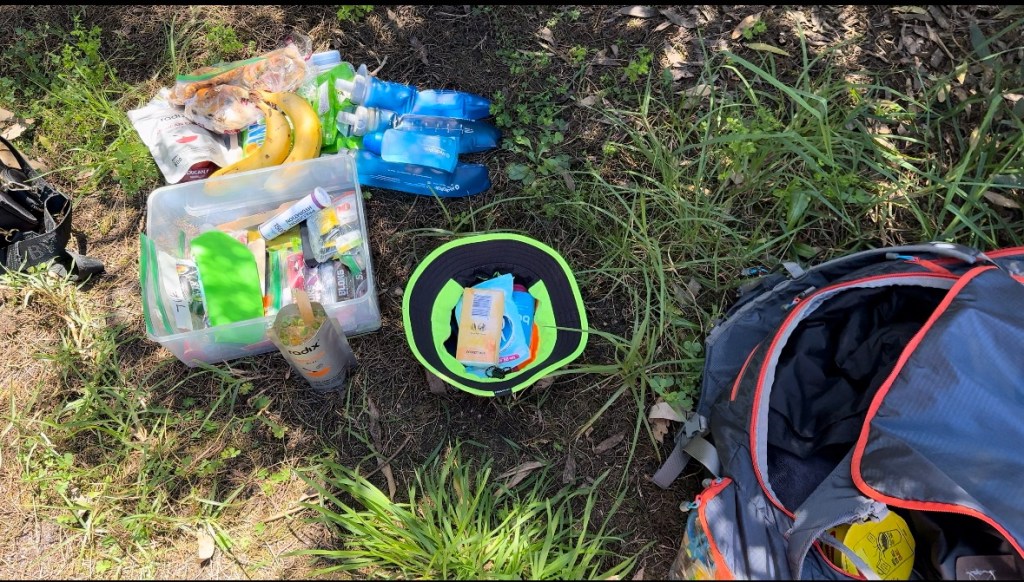
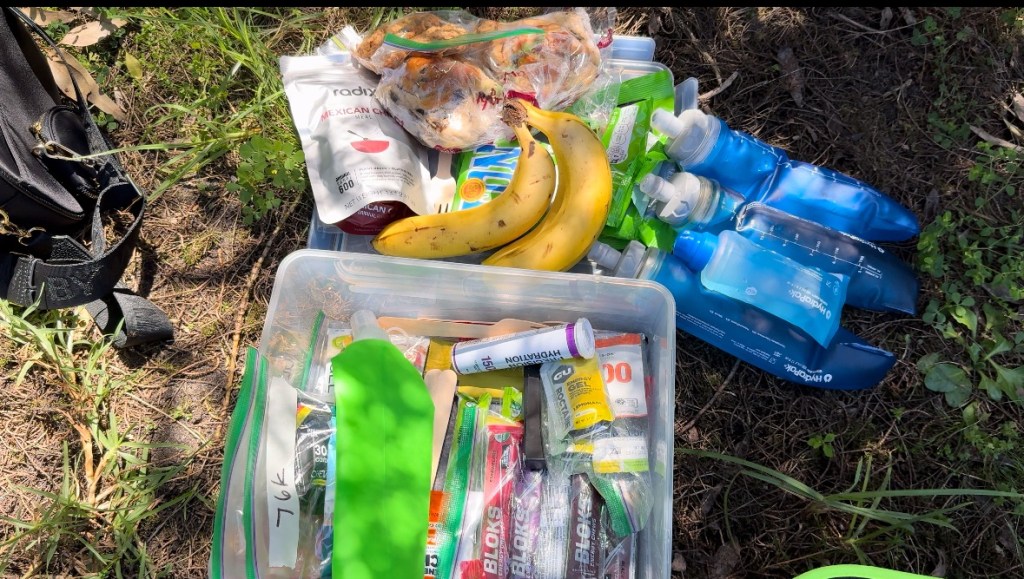
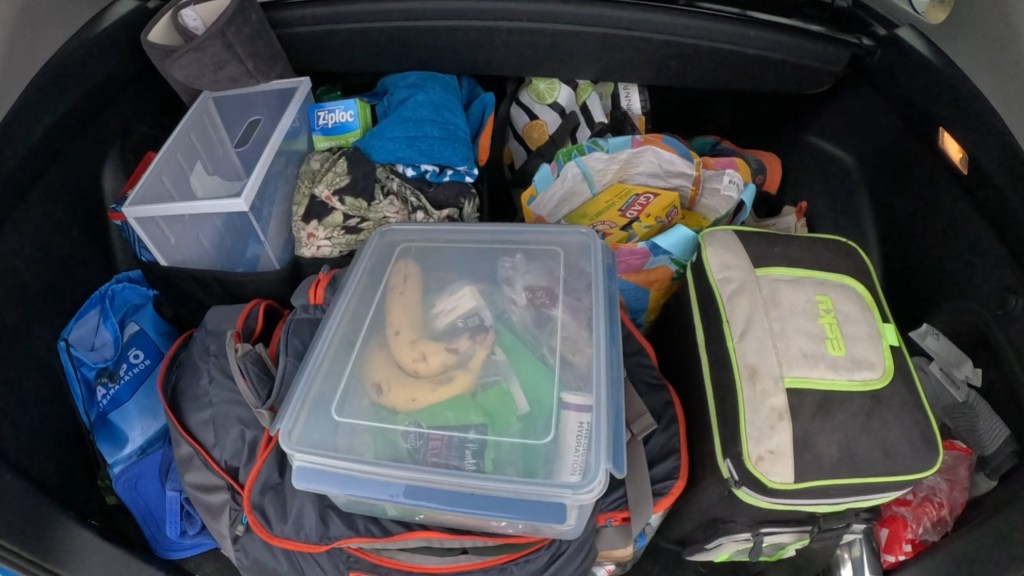
In the car, we had packed for everything.
- Spare shoes
- Spare clothes, socks, hats
- First aid, lots of wipes
- Food, sports and regular like lollies, chips, Bakers Delight scrolls, cookies, noodles, instant camping meals, bananas
- Hot and cold water
- A jet boil
- An esky full of ice (great when we added icy poles and coke later in the race)
- Camp chair
- Umbrellas
- Towels
- Spare bags for dirty clothes and rubbish
- Cutlery
We had the plan that if he wanted something that might take time like making noodles or that was unusual like changing shoes, he would send me a text so I knew in advance so I could sort it out. Luckily there was enough phone reception on course to get a message out. Updating your socials or doom scrolling while you wait was out.
I felt like Ben and I were kinda whinging it. We would show up, find a spot, put the stuff next to the chair and then wait.
Other crews had full systems, lying absolutely everything out on picnic rugs or plastic sheets like a buffet.
Aid stations are a fine line. For me as a runner, I’m an in and out person. I fill up my bottles, take what I need out of my drop bag if there is one and get out. Aid stations can be a massive time suck!
At races where they have comprehensive timing, you will get time in and time out of aid stations but depending on which watch you have Garmin will tell you your “idle” time as well in the run/walk/idle breakdown.
It’s a balancing act because you want to take the time to make sure you are ready to continue, that you fix any little problems that might derail your race but don’t waste time fluffing about. This is why when I’m running I have a “no sit” rule. I save the sitting for my pity party on the trail itself!!!
As crew, it’s about making sure your runner fixes any body issues like blisters or chafe. Reapplies sunscreen and anti chafe, changes clothes if they need to, especially if it’s about to get cold, eats something and leaves with all their water bottles filled. If it’s a hot race, using topical cooling like ice in hats or sleeves or simply poring cold water on them can be a life saver.
Tip 5: Check yourself, don’t let your emotions mess with your runner
It’s important to remember that you are there for them.
You can’t whinge or complain or be negative. You have to stay positive and encouraging.
If they look crap, support them and try to fix it. Don’t give them an excuse to drop out.
You don’t want them to give up on their goal because you look worried about them, have had enough or are inconvenienced. This is their day, keep them focused on that, don’t make it about you.
No “worried loved one” faces allowed. It’s always interesting to watch wives juggle infants at checkpoints and parents crewing their kids. I can always imagine someone’s mum saying “that’s ok dear, you did your best, it’s ok to stop here” when they should be saying “it will come good, eat something and get going, we’ll see you at the finish”.
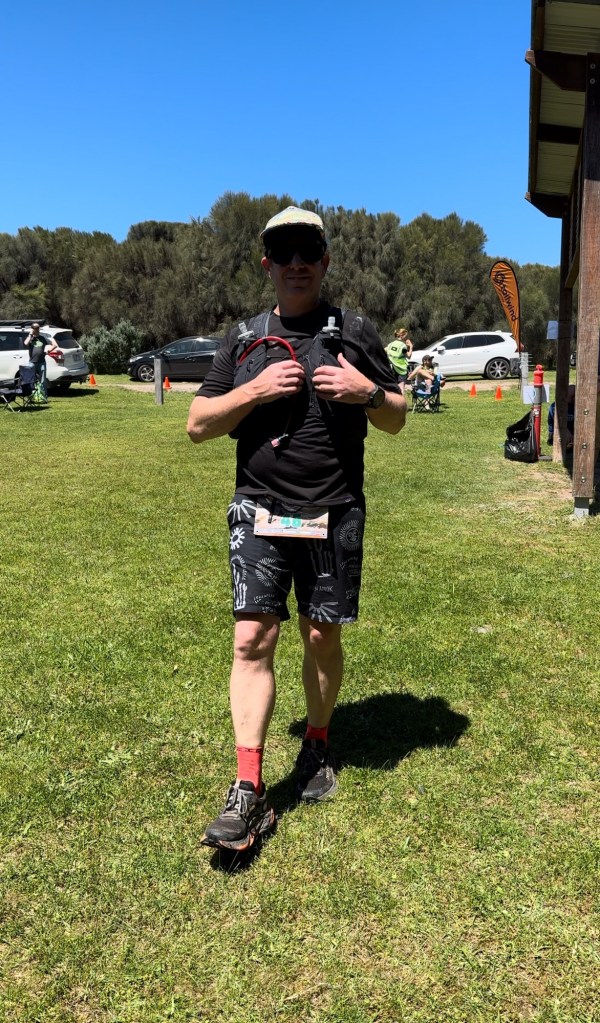
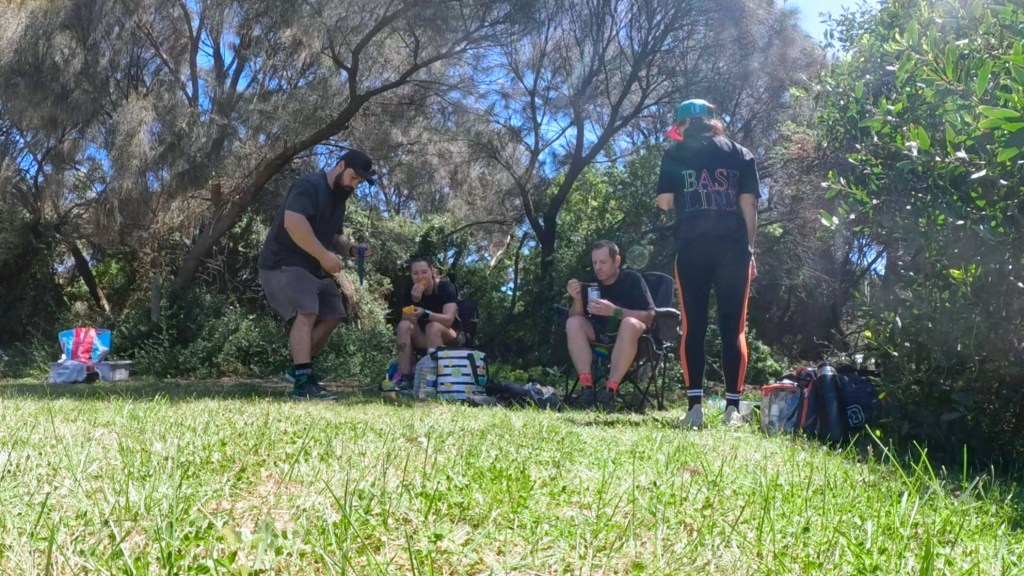
Our runners had a decent sit at half way. They both ate actual food and changed some clothes and socks. They spent about half an hour in the aid station.
They were eating well at this point and took their next lot of snacks out of their drop bags and headed out onto what would be the toughest part of the course.
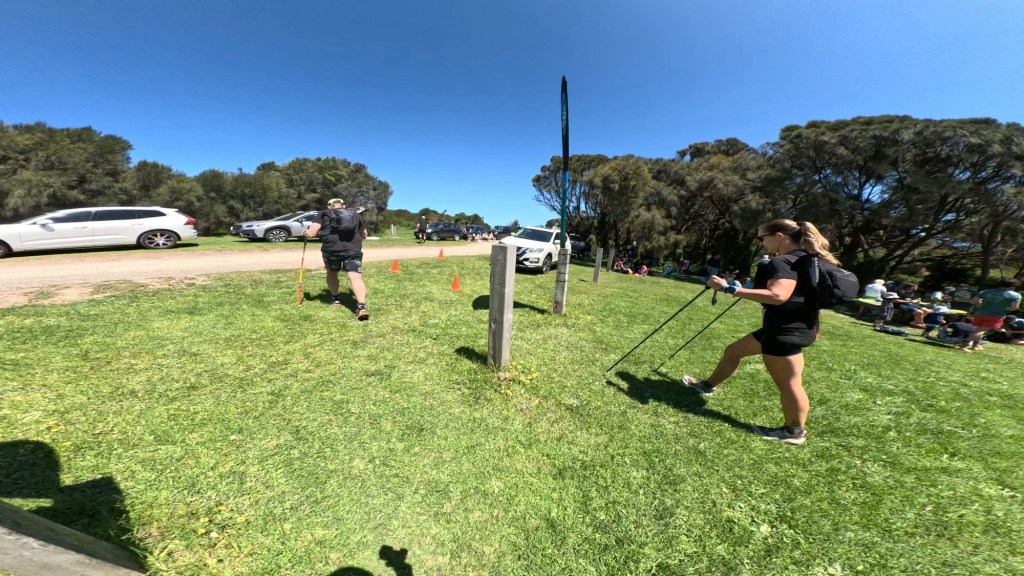
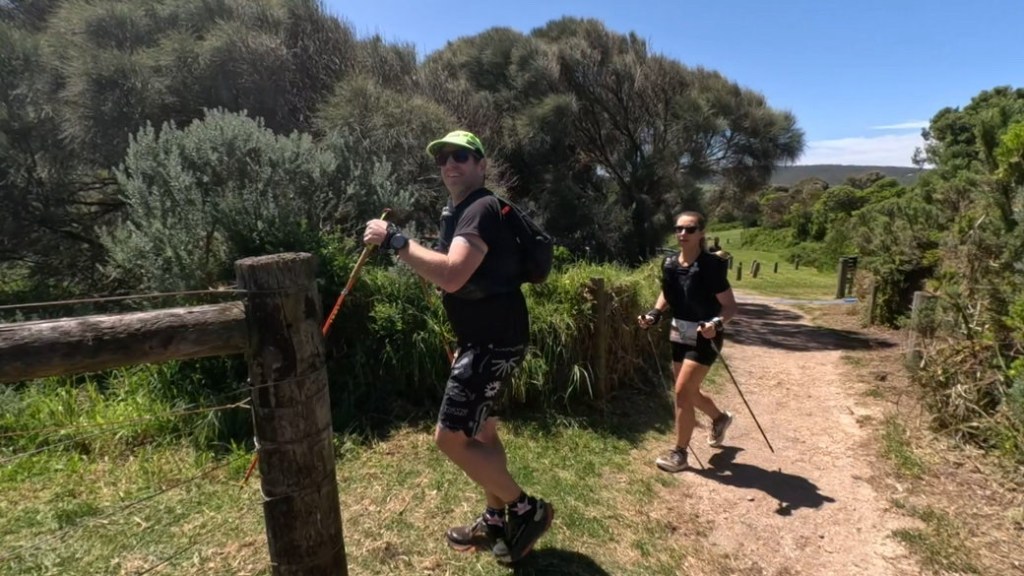
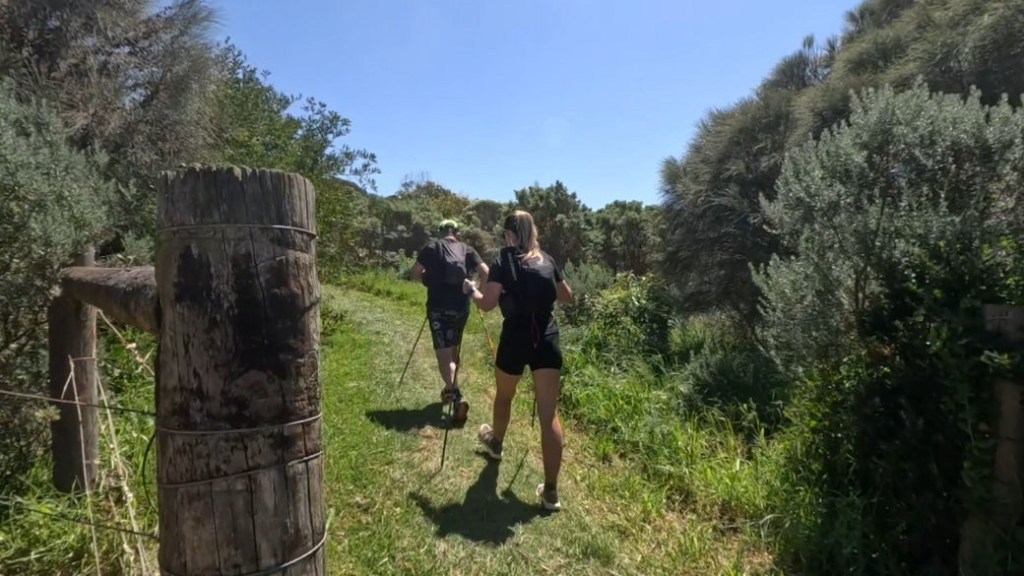
The next section was a long one for the runners and it was the heat of the day. They left at around 1pm.
We wouldn’t see them again until The Gables checkpoint at 77km, which meant we had some time to kill.
I think Megan’s spreadsheet said it was about 5 hours until we would see them again.
Whilst they trudged their way through the bush, Ben and I headed to the next accomodation to check in and drop off our stuff.
It was about an hours drive.
I stopped at the finish line to watch the winners of the 45k come through and say hi to my other running buddies.
The best thing about ultra trail running in Victoria, it’s a small community, so everyone knows everyone or are at least familiar faces.
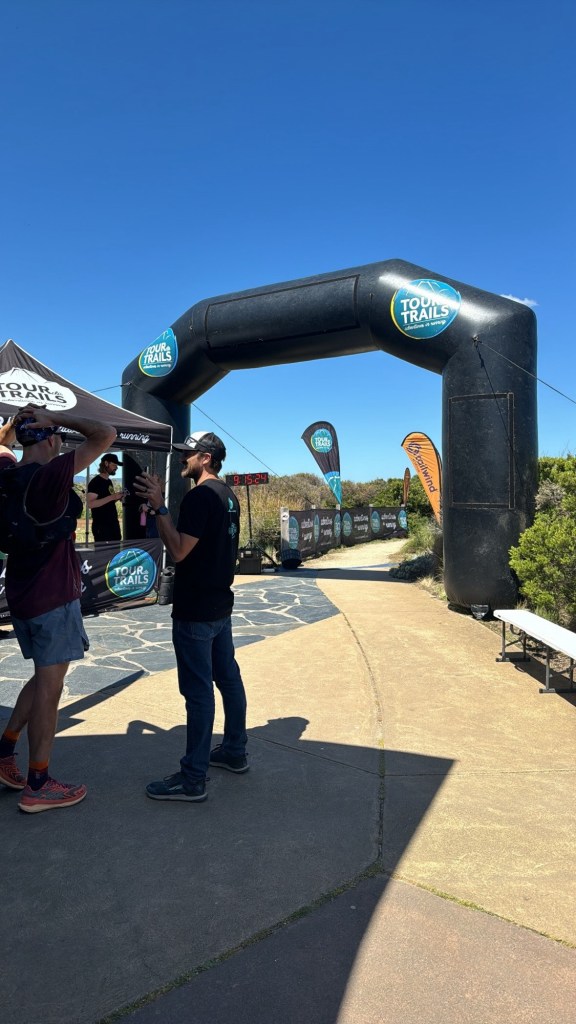
When we got to Port Campbell Ben started receiving messages from Megan out on course that it was hot out there.
We ducked into the only store in town, grabbed some ice, icy poles and cold water and headed back out.
We failed to get lunch for ourselves.
I also refilled the thermos incase they wanted more instant food.
Ben headed to the checkpoint and I stopped on the way at a listed spectator spot about 4.5km before The Gables, so around 72k.
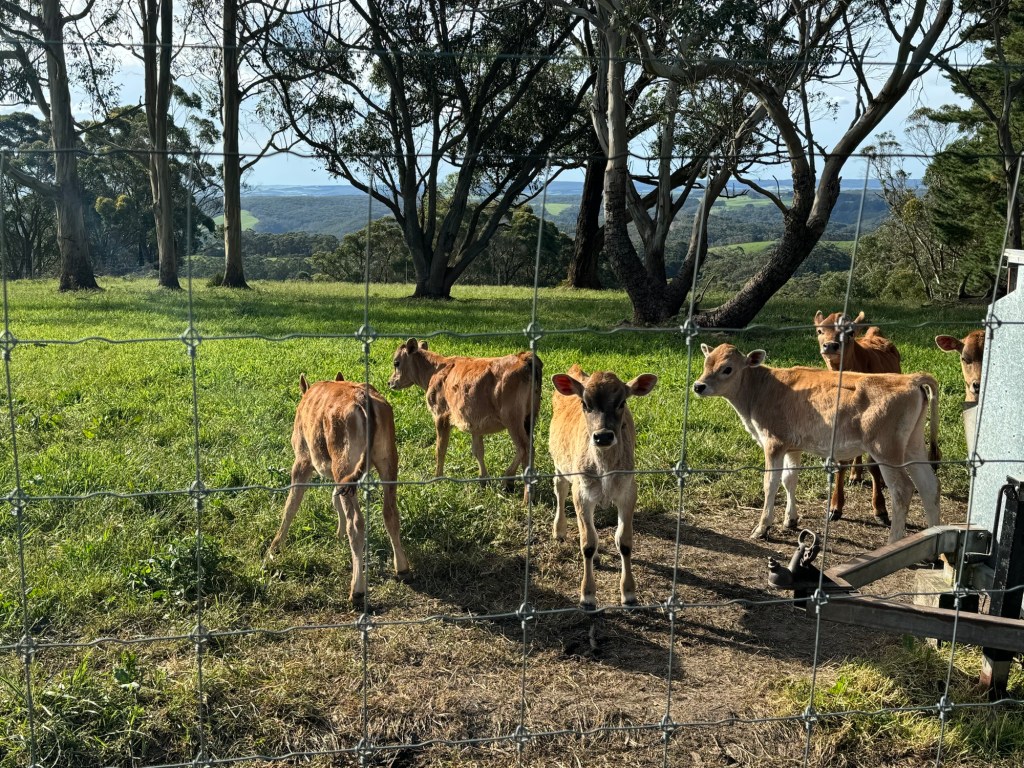
It was in the middle of a group of farms. At the beginning it was easy to tell when runners were coming through because all the cows would start to gravitate towards the fence.
Runners were coming in to this spot looking extremely fried and asking for water.
There were a few other spectators there and we gave them what we had.
I also handed out some icy poles, making sure to keep a few for the runners I was actually waiting for.
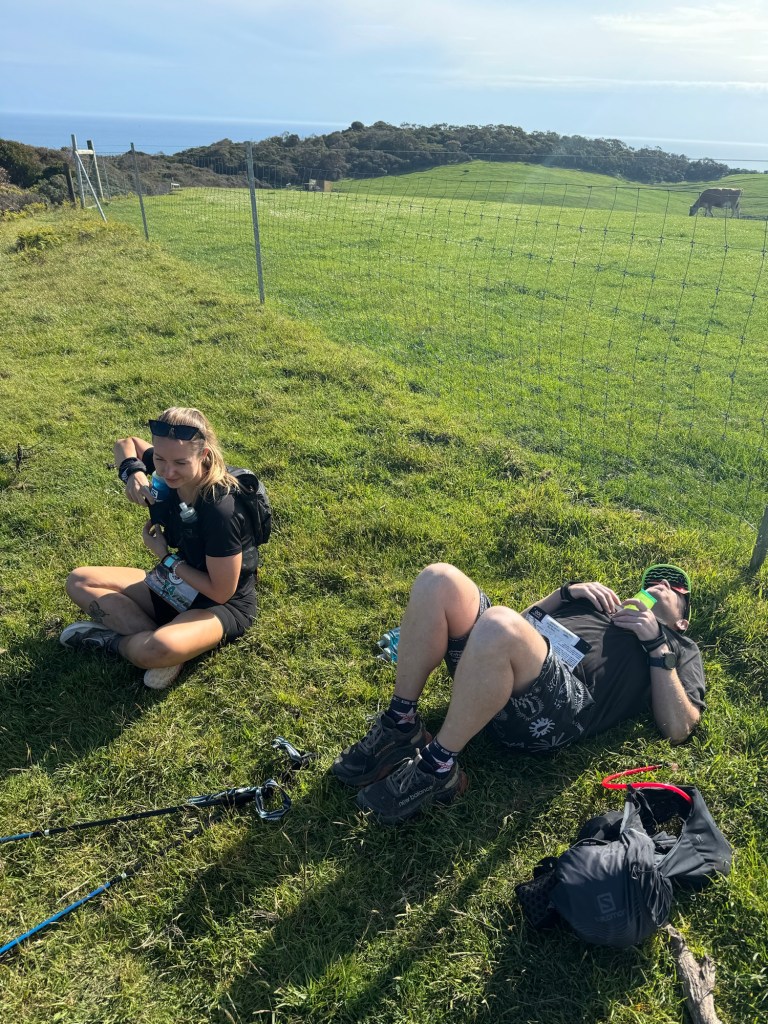
I just chatted to other crews as I waited.
They came in at 5:00pm (pretty close to Megan’s spreadsheet) looking pretty fried.
After a lie down in some poo ridden grass, some coke, water and an icy pole, they made the trek to The Gables.
I jumped in the car to race them there, knowing that if they won, Ben was there to catch them anyway.
They looked much better coming into the Gables than when I saw them earlier.
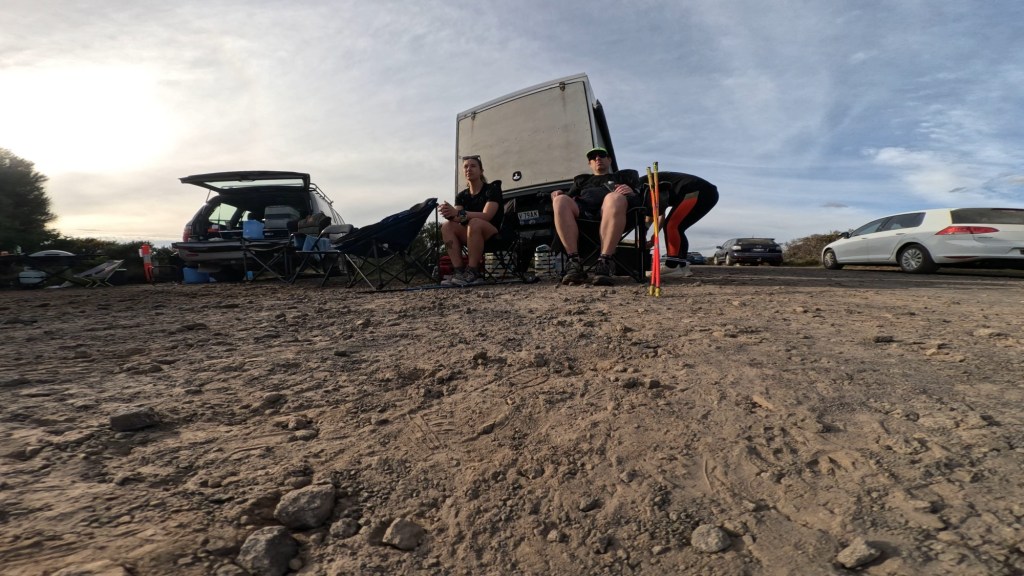
They had something to eat, refilled their bottles and made sure they had warmer clothes in case it got cold.
We only had one checkpoint to go until the finish line, Princetown, pretty but very very buggy.
We were starving, and secretly hoping our runners didn’t want the two minute noodles so we could eat them ourselves.
I got glared at by another crew for quite visibly eating the snacks meant for my runner.
Tip 6: Look after yourself too! It’s a long day
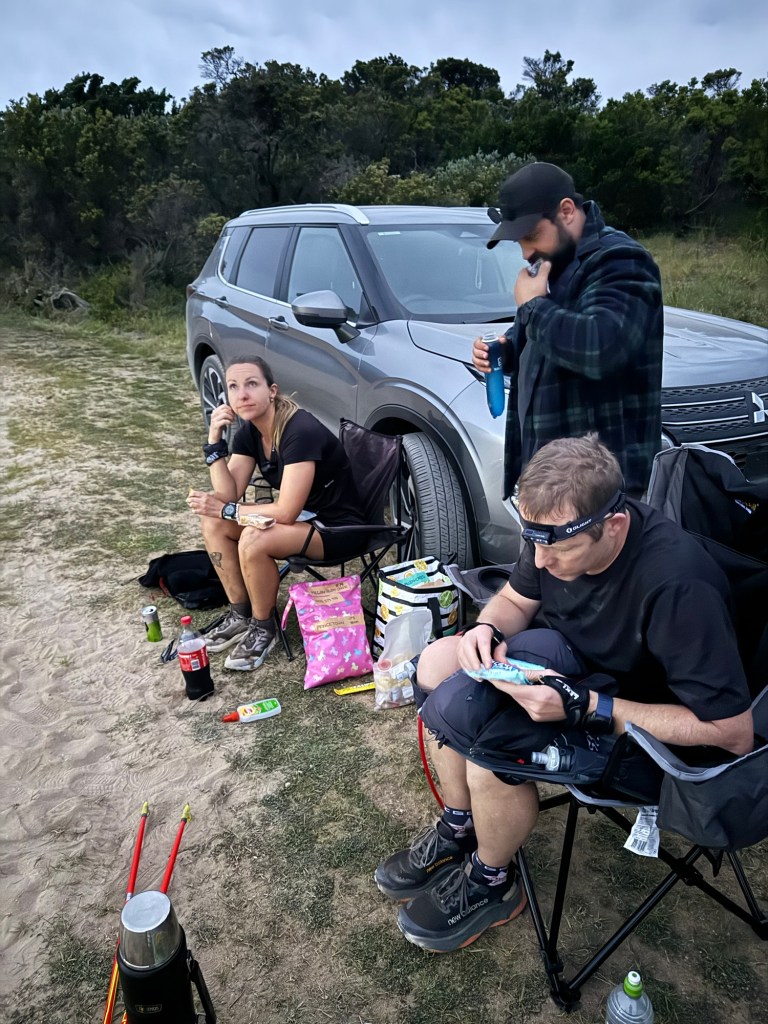
This one was great for us. We waited for a while, getting eaten alive by bugs, but we got a primo parking spot so we didn’t have to take everything out or lug it around a camp ground.
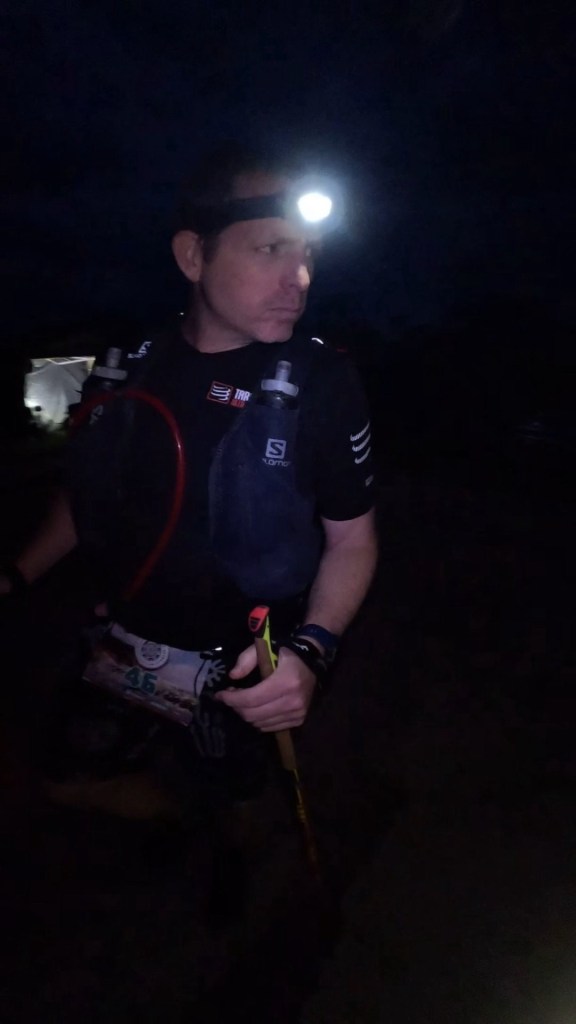
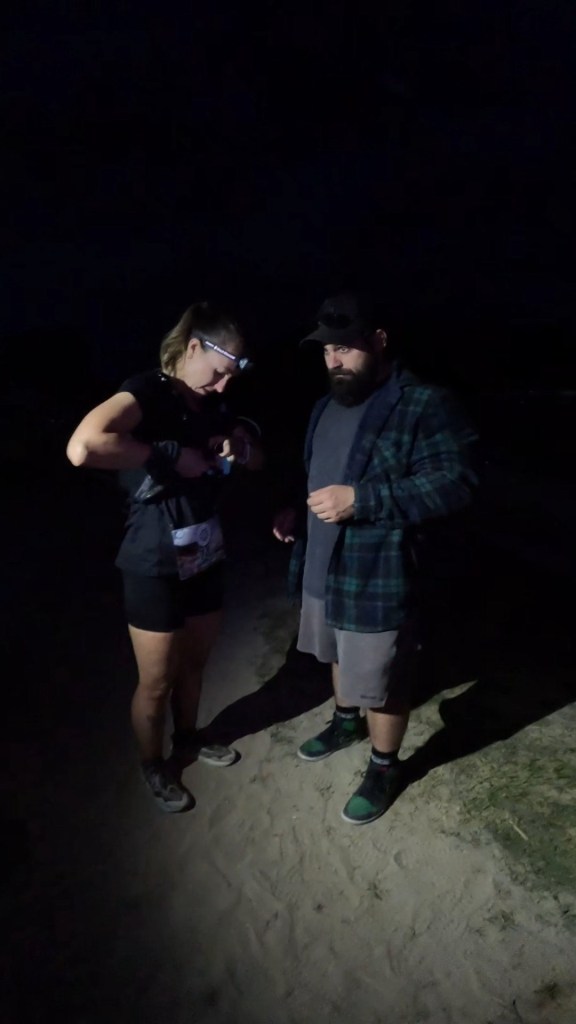
We crewed from the boot, winning!
After some hash browns from the aid station and a quick change of clothes, they were on their last leg.
We had almost succeeded, they had almost made it to the finish.
Our only job now was to make sure we didn’t miss them.
We got to the finish line with heaps of time and thank goodness the coffee van was still there. A 9pm pie and coffee went down a treat.
We hung out near the arch way, chatting to the other crews that we had seen all day as we bounced between aid stations together.
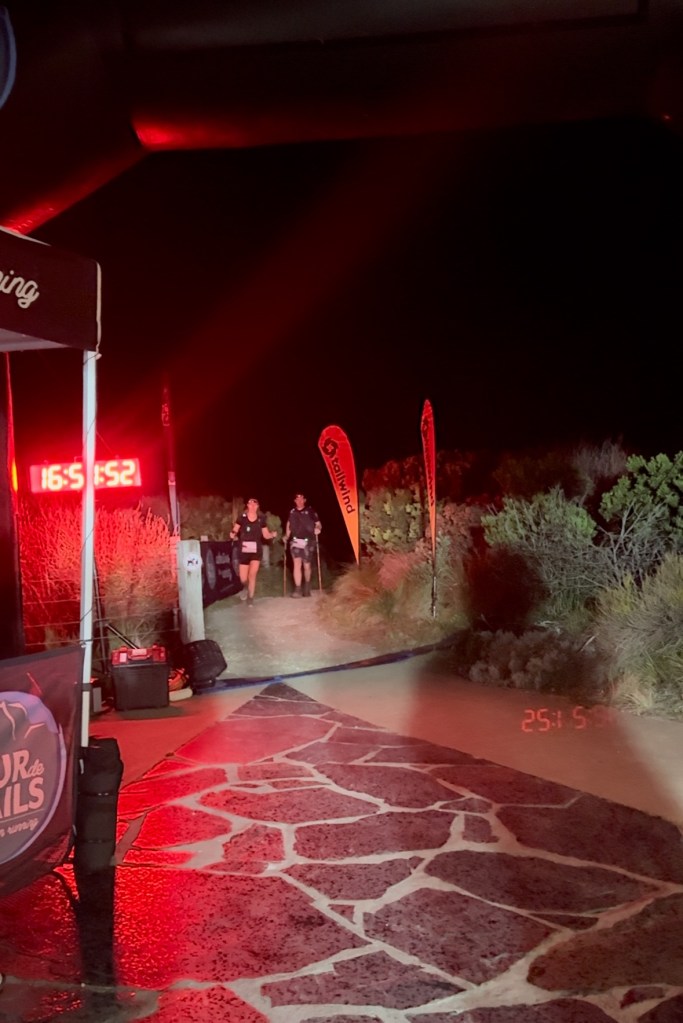
Almost 17 hours later, they finished. 100km, 3200ish metres of elevation gain, in 16 hours and 51 minutes. It was 9:51 PM.
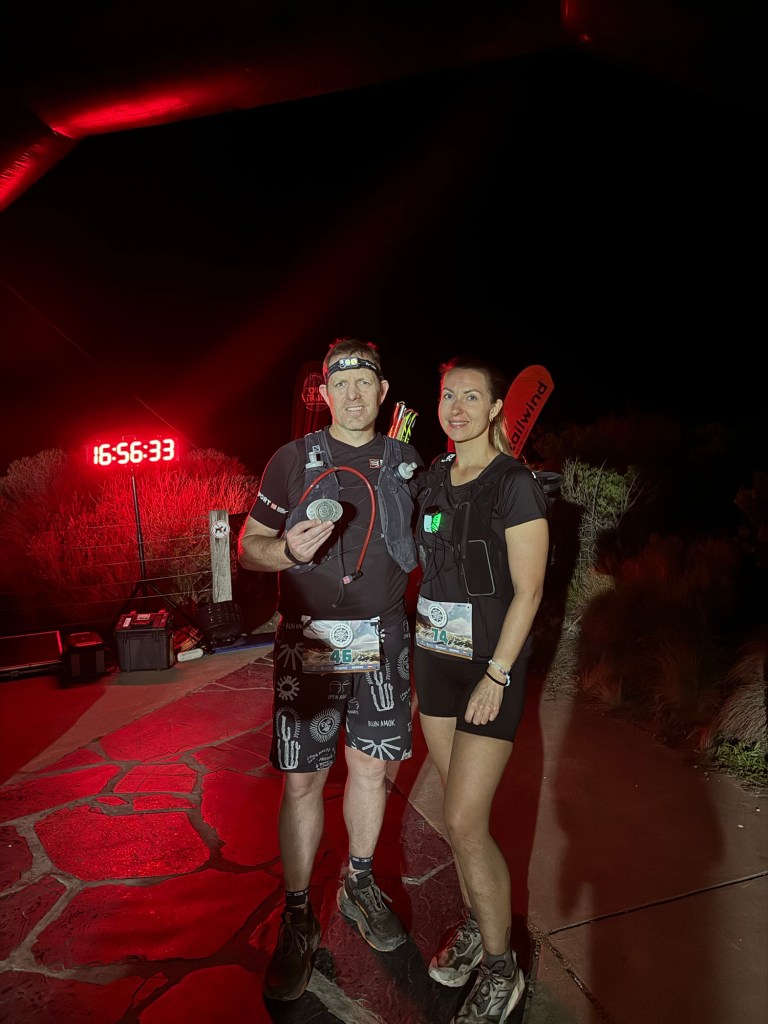
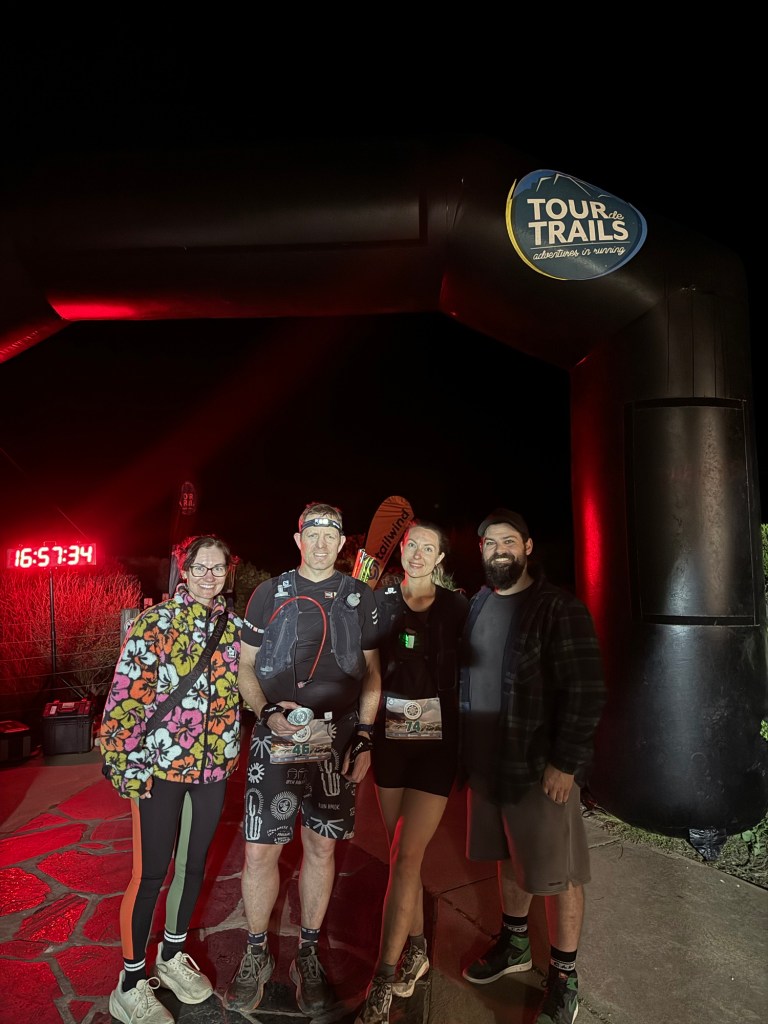
After some hot soup, a pie and a chai, everyone headed home.
Then it was a shower and bed.
Tip 7: It doesn’t end at the finish line
It’s a long day for everyone involved but your crew duties are not over.
Runners can fall in a hole so to speak as soon as they stop moving. They can get cold quickly. Get them changed into warm, dry clothes and something substantial to eat, even when they probably don’t want to.
There is generally always a medical tent at the end just in case.
Make sure they avoid taking NSAIDs for at least 24 hours.
And remember while we were snuggled up in bed, the volunteers and race officials were still out there. The last runners coming in just after the 1 am cut off.
If you are running or crewing the Great Ocean Trail Ultra or any other race, I hope you can take something away from our day.
Here’s the accompanying video on YouTube. If you watch it, please like and subscribe!
 MelMac Runs