
I’ve been running a long time.
I got a Facebook memory the other day reminding me that I finished my first ultra marathon, that also happened to be my first trail race ever, nine years ago, on the 31st of May 2015.
I’ve made a lot of mistakes over the time (Remember that phase of intermittent fasting that lead to REDS that lead to stress fractures?) but recently I’ve seen quite a bit of improvement. I’ve set both a half marathon and a 100k PB in the past 6 or so months. Here is a non exhaustive list of what I think I can say have helped improve my times.
Just run more
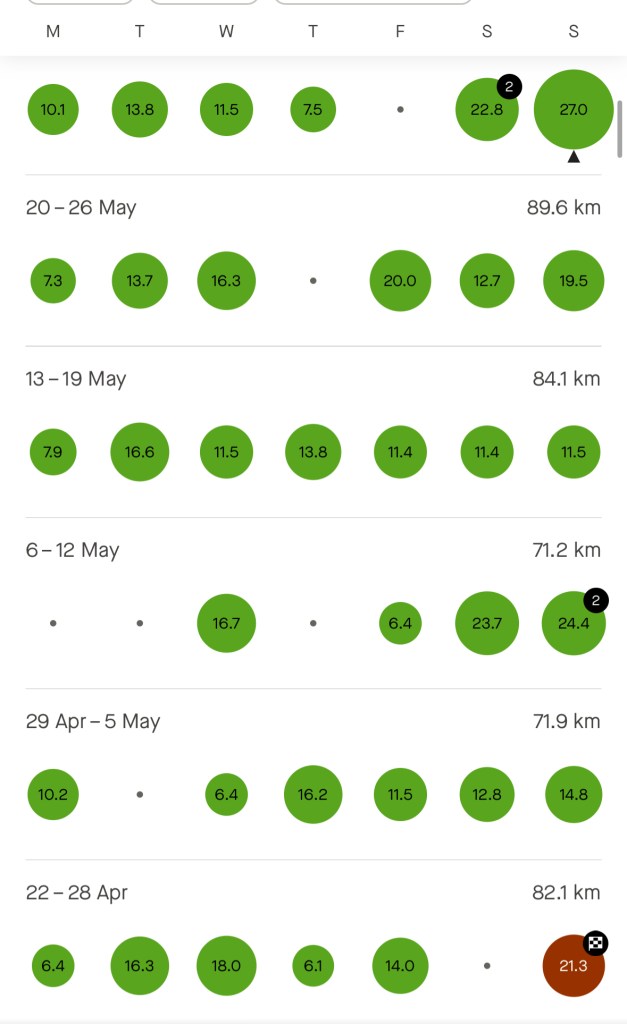
Possibly an unpopular opinion, but in the past 12 months or so, I’ve added a few kilometres each day to my daily runs. Adding 5-10 minutes each day doesn’t make a huge difference to your day, but I truly believe it compounds over the week and months. Adding just a little bit each day, as opposed to adding larger amounts to your long run, has meant that I haven’t really felt the effects of it. I’m not more sore or fatigued, but I’m adding an extra hour of running each week.
Sprinkle in some hard
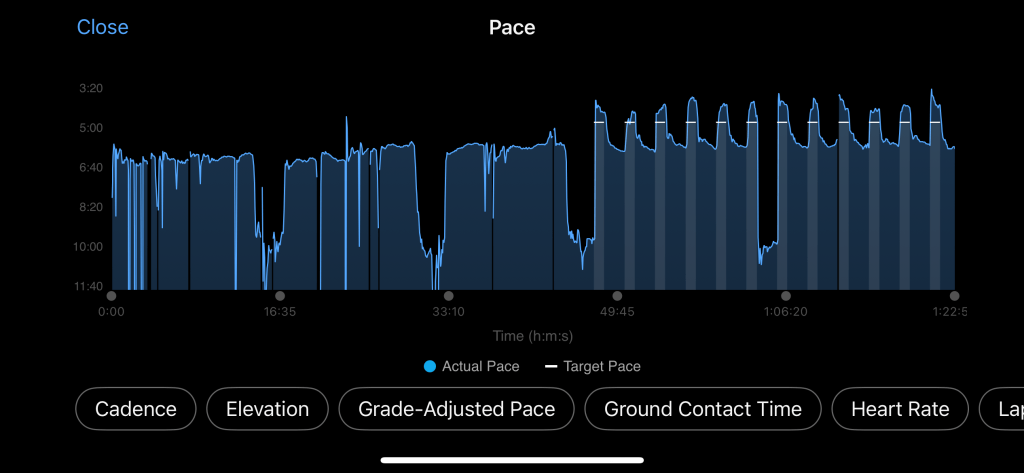
I wish with every bone in my body that this wasn’t true, but it turns out running every single run easy, doesn’t really improve your speed. I knew this of course but that doesn’t mean I wanted to believe it. I haven’t had a coach in quite a while so I’ve been adding in a ‘speed’ or ‘tempo’ workout once a week, sometimes once a fortnight if I can’t make it work with work (if you are tired and stressed and try to do a hard workout, I think you are more prone to injury so I just do an easy run instead). I aim for 12-15 minutes of ‘hard’ and it seems to have worked miracles.
Don’t try to ‘save’ your legs
When I first started running trail races, I would hear people say to walk the hills to ‘save your legs’ for later in the race. For some reason I took this particular ‘rule’ as gospel and pretty much never ran hills. Ever. As a result, most of my pity parties in races, were hiking very slowly up hill questioning my life choices. Since I started actually running hills, a lot slower than my flat pace, but much faster than my snail pace hike, I’ve noticed a massive improvement in my trail times. If I can see the top of a hill, then I will try to run it. Even if I end up walking mid way, I have still saved minutes just by running that section. Shuffling at 7 or even 8 minute pace is much faster than slow hiking at 13 or 14 minute pace.
If you have to, deploy the run/walk method
I can just hear people saying, but you are in a running race. Yes true, but if you are saying this, you probably haven’t “run” a 100km race. It’s about getting from point A to point B as fast as you can and sometimes that includes a fair bit of walking. Towards the back end of a race, when my mental mojo is all but gone, I find myself walking when I could very easily be running. I would run the first half to 3/4 strong and then fall in an epic hole and walk the last quarter. Turns out if you run for a few minutes and then walk for a minute and then repeat, you get there a lot faster. Play games with yourself, maybe you run until your watch beeps and then you get to walk for 250 metres, or 2 minutes, then run until it beeps again. If there are trees or sign posts, then use them. Any running you can do will get you there much faster.
Make eating great again
Eat, eat, eat! It’s amazing to hear elite athletes at the moment bragging about how much fuel they are eating while racing and training. Recently I was stoked to manage one clif Blok every 20 minutes in my 100k and one Blok every 2k (10 minutes) in my recent road half marathon PR. Mind you, 1 blok every 20 minutes only adds up to 24g per hour, not the 60-80 grams recommended. The elite men are looking at over 100grams of carbs per hour FYI. It’s expensive but you have to test in training, supplement with grocery story lollies or baked goods if that works for you. It will give you more options on race day as well.

This also applies in and around training. Eat before, eat during and eat after. Don’t leave periods of your body not knowing where it’s next meal is coming from. Low energy availability is not just an overall daily or weekly thing, it’s also over the course of the day. You can have REDS symptoms from only eating one meal a day and not actually being in a calorie deficit, because you have an energy deficit over the course of the day. Be careful, it’s not worth messing with. Trust me, I learnt this one the hard way.
Sometimes gear matters
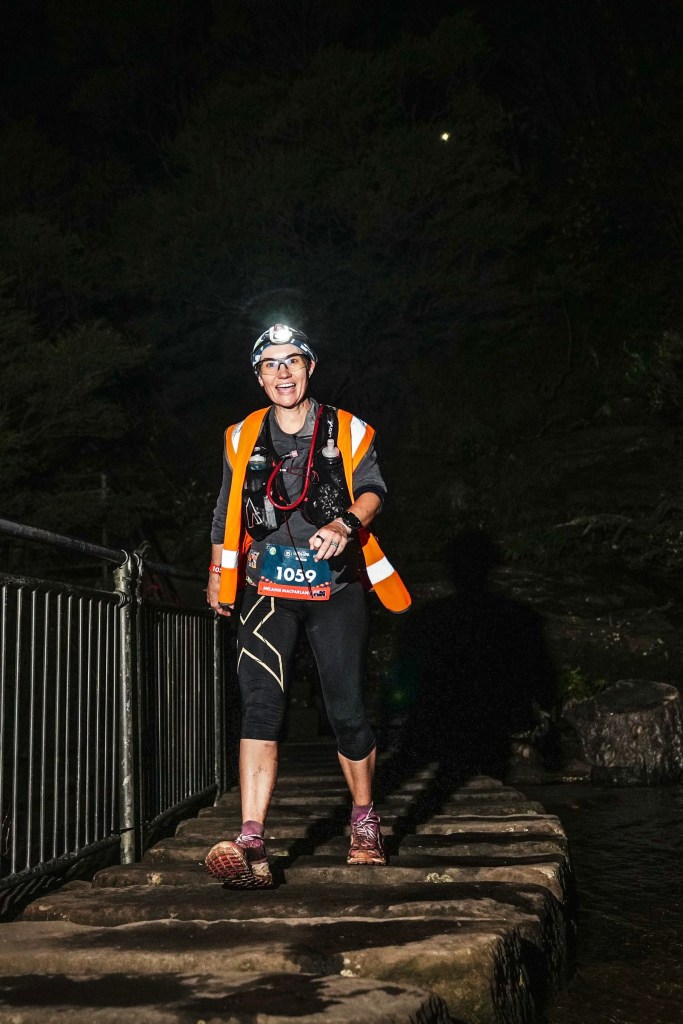
I learnt a massive lesson not long ago at the Kosci 100k when I couldn’t run as fast as I wanted because I didn’t have my glasses on. My head light was fantastic but I couldn’t decipher the banking on the side of the mountain bike trail because my eyes are notoriously shit at night. I got myself a pair of prescription transition running glasses which have been a game changer. I’m not crap in the dark, I just can’t see.
I’m sure everyone has these little things that make a big difference. I’m sure some of my improvement is also based on the fact that I’ve been pretty consistent for quite a long time. Consistency matters.
 MelMac Runs