Trail ultra running is essentially an exercise in not stuffing up.
Some folks will say they love the sport because they “enjoy problem solving”.
To a certain extent that’s true, trail ultra running is a lot of problem solving. It’s a lot of self observation, recognising when you have made a mistake and correcting it, not necessarily dealing with new things that are out of your control, but they come up too.
Yes there are the little things that should be easy to nip in the bud before they become catastrophic problems, like taking care of that hot spot on your foot, rock in your shoe or little bit of chafe before it comes a sole full of blisters, a hole in your foot or a blood stained shirt and missing nipple.
These should be the easy things, but I think we can all admit that we’ve gotten cocky or complacent and ignored one of those, only to deeply regret it either later in the race or in the following days.
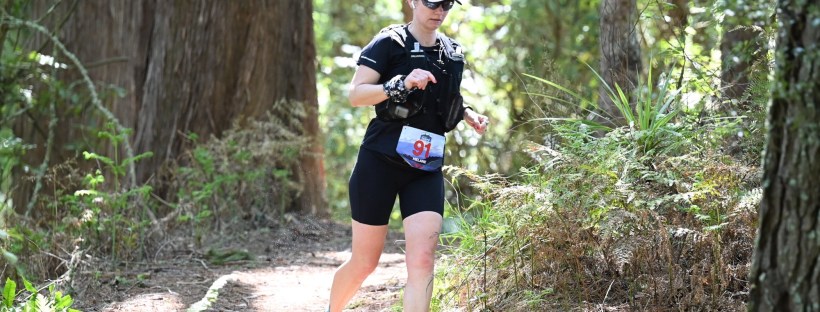
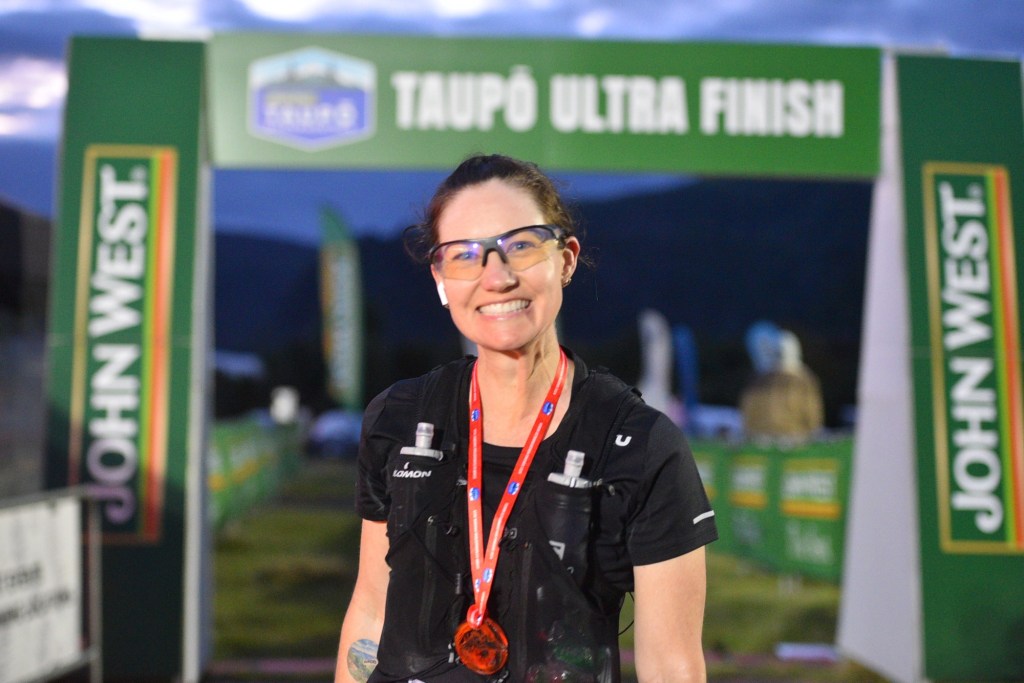
Taupo 100k was my 6th 100km finish. It was also my fastest 100k time by 22 ish minutes and yet there are so many things that if I had my day again, I would change.
Self seeding
My gosh this seems so obvious and I’m kicking myself that I am here talking about it again after learning this lesson before. ( see Old Ghost 2019 and 2020).
Self seeding is so important, especially in a race that starts on single track.
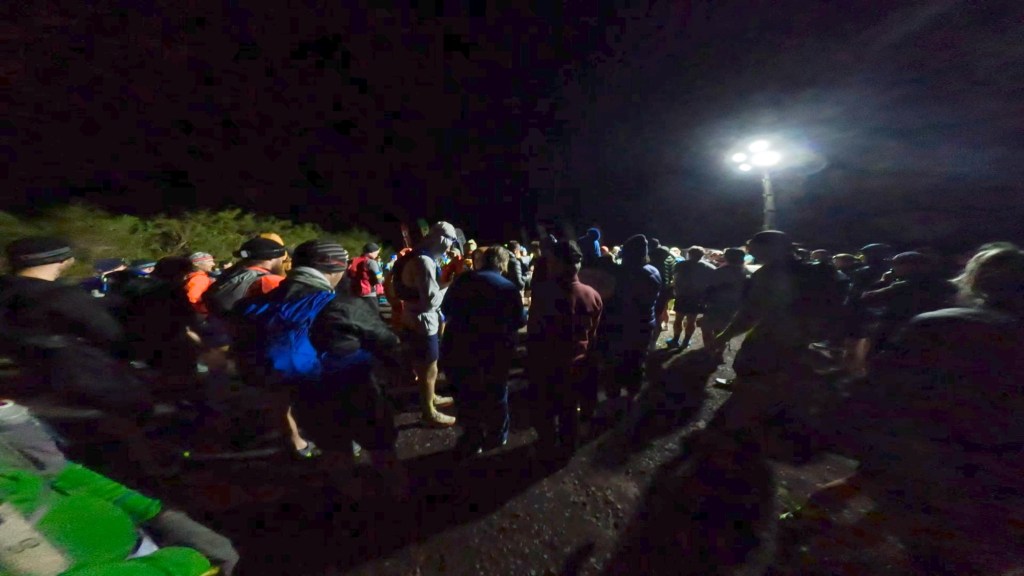
Ultrarunning is hard enough without adding battling a conga line to the mix.
A lot of races don’t start directly onto single track for this reason. It causes congestion and significant frustration for runners especially those who are focused on a time goal, either at the front who want to win or the back who are stressed about making cut offs.
I think it’s partly the stress of making cut offs that may lead some runners to self seed themselves further forward than they should be, or maybe they are just oblivious to other runners around them.
At Taupo I didn’t even think about seeding being an issue. I didn’t know we were going straight onto a single track but I also didn’t think I was too far back. (I do have a history of waiting at the back and then complaining about congestion.)
I felt like I was about in the middle, the late bus was mostly behind me, or so I thought. (There is no way to tell as there was no timing mat at the start line)
The first k of the race was essentially a walk but that’s pretty normal and I wasn’t too stressed about that.
It was when the trail opened up and we still weren’t moving that I started to get annoyed.
Unlike previous races where I just sat there and copped it, this time I did make the effort to ask to pass and made my way around people. Former Mel would have just hung out in that queue and whinged about it later.
Here is when I made my second mistake. I let it get to me.
Stay calm, control what you can control
Ah the mental game. Conga lines aside, my response to had more of an impact of my race than the handful of minutes I lost going at someone else’s pace.
On one hand, my brain says those minutes matter. If I want to do 6:30’s and instead I’m doing 7:30’s because of a conga line, that’s 30 minutes over the first section of the race. That’s the difference between a PR and not a PR!
But at the same time, the conga line was not forever, it probably cost me 5-7 minutes max but the negative mindset followed me for the next 5 hours.
Then I made another mistake, I pushed to try to make up for it.
Choose your matches wisely
You hear elite athletes talk about “burning matches” all the time in post race interviews. As a back of the pack person (can I say mid pack yet?), a plodder, a shuffler, I never really had any idea what they were talking about.
For sure I’ve gone out too hard in road races before, thinking I could PR and going out at a stupid pace (I also didn’t really fuel when I did road races either) but in ultras I’ve never had that feeling of pushing so hard that I might be sacrificing something later in the race. This is probably because up until recently I’ve been under the impression that I should be “saving my legs” for the end.
Well when I lost those few minutes in the conga line, my very pissed off and PMS-y self, decided I was going to make up those minutes by going faster.
Funny thing is, if you look at the data, you can’t actually see where I was trying to do this, because there is absolutely no speed difference but the effort was there, the mental frustration was there, the focus on my watch was there. Wasted bloody energy.
It took me outside of my goal and my focus and I continued to focus on something that wasn’t serving me.
It took me a while to stop focusing on my watch and my pace and just deal with the kilometre I was in.
Did it impact my performance? I’m not sure, but it certainly impacted my enjoyment of the race and the beautiful place I was running through.
Fuel for the effort your at
This one I’m actually pretty proud of.
I’ve been working on fuelling for a while now.
If you’ve been reading this blog for a few years you’ll see the score cards and the fuelling evaluation after each race. There has been variations of watch alarms, from every 3k to every 20 minutes.
For those playing at home, the alarm is currently set to every 15 minutes.
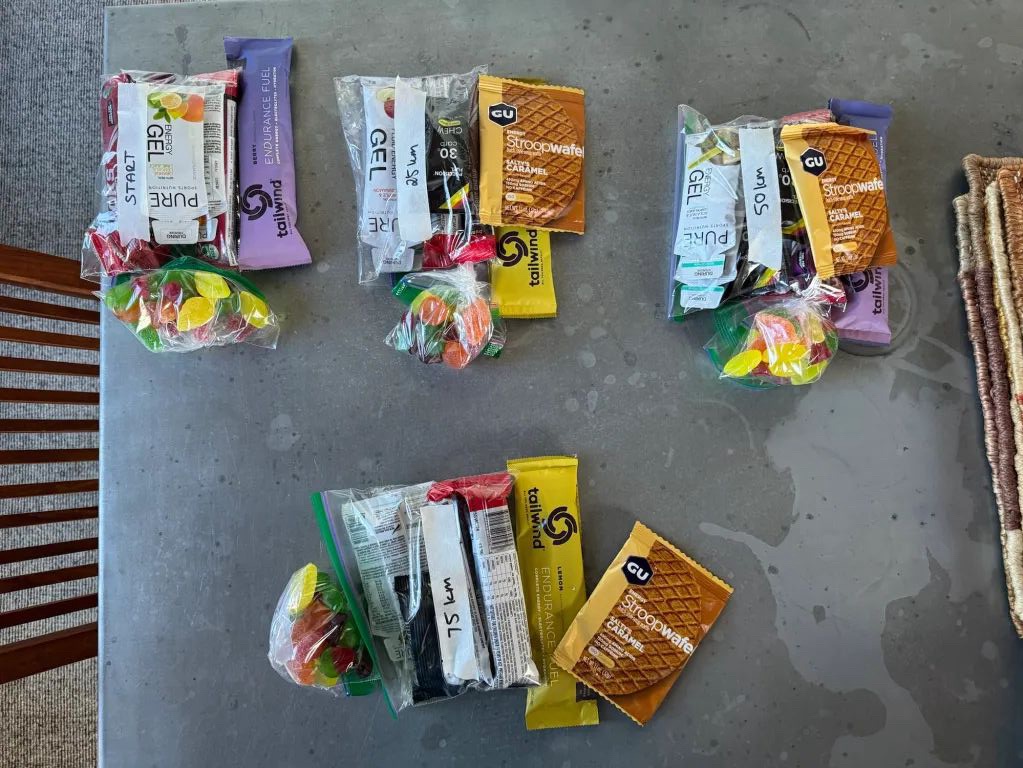
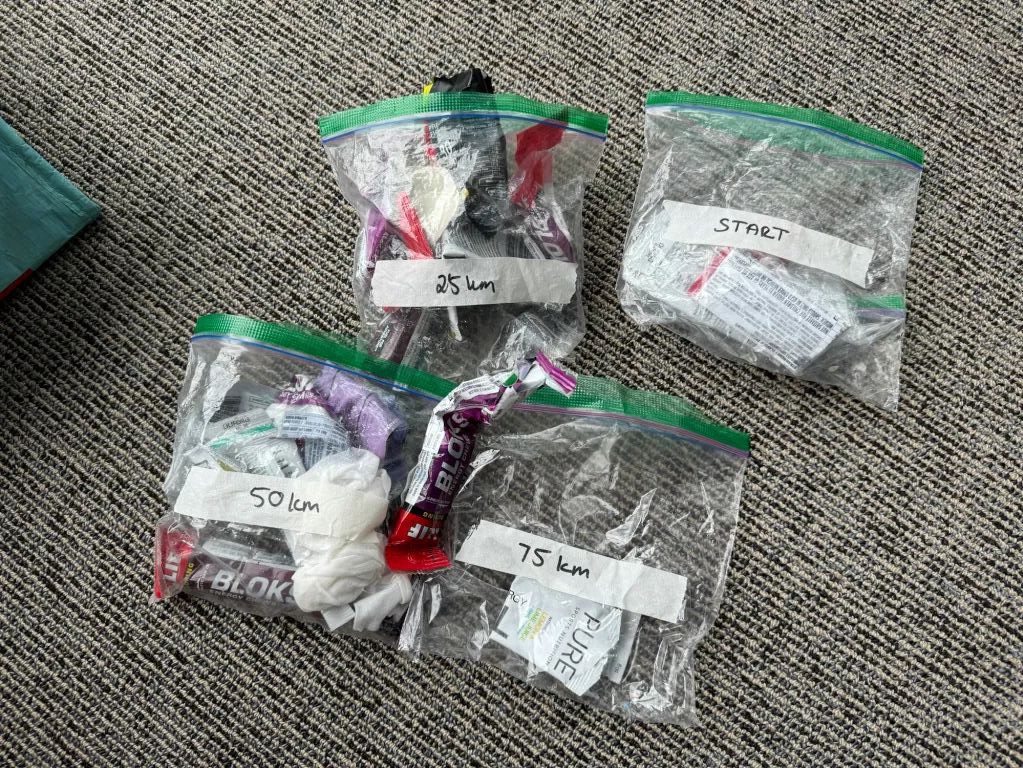
But where I have fallen short in the past is in being a slave to the alarm and not actually paying any attention to what I’m doing which has lead to either over fuelling and stomach upset or under fuelling and having a sit on a rock and cry style pity party on the side of the trail.
I had a plan going in. The alarm was a reminder, a clif blok or lolly or something every 15 minutes and a two gels for every leg, about every hour or so. I also had staggered caffeine with more caffeinated gels and bloks in the later drop bags.
But when the pace and effort was slower than I predicted at the start, I eased off on the clif bloks, skipping a few so not to overwhelm my system early.
When the black cherry bloks just wouldn’t go down later in the race, I had other options and lollies that I knew would. I was conscious of it and pivoted when required.
Tailwind explosion aside, I feel like I did pretty well with my fuelling this race.
Yes to music
I came out of my funk on the downhill coming out of the half way point. I think part of that was that I had pulled out my headphones.
I’ve never done this in a race before, I’ve often had them with me but either failed to have music downloaded or was concerned about phone battery life.
I had put my phone on battery conservation mode from the beginning and a charged mobile phone wasn’t part of the mandatory kit for this race anyway.
I only used one AirPod at a time which not only prolonged the battery of the pods but meant I could still hear everything around me and talk to anyone I came across, which to be honest wasn’t very many.
I took the AirPod out at each checkpoint and for any parts where there was things to navigate, like through the Kinloch area where there were lots of marshals, road crossings and things to navigate. I didn’t have the sound up high by any stretch but I didn’t want to mess anything up or be “that person” with headphones who annoyed other people.
But these were a godsend for me and I’m sure helped get me to the finish. I had my playlists downloaded and there must have been enough reception for Spotify to add in some randoms at the end.
Adapt the plan, but don’t give up
“I didn’t come here to walk”, that was my mantra coming in. I wanted to run.
I take a lot of elite runners post race comments with a grain of salt, but David Roche post Leadville was talking about using his “granny gear” and joining the “no hike club”.
As someone who is a terrible hiker, this idea of running just a little bit further before you hike, really appealed to me. If I just ran a little bit up each hill, it will be faster than walking the whole thing and those little gains all add up.
Run more, walk less, was the goal. I didn’t come here to walk.
But when I got to the headland loop, which for some reason I kept calling it the “loop of despair” like the old Tarawera course, I couldn’t run like I wanted. I wasn’t concerned about it leading in. It’s runnable, I will run it.
Well my left knee had other plans, it wasn’t going to tolerate running up hill, at least if that meant being up on my toes, so I heel striked and ran as much as I could. Sometimes that meant walking for literally two metres but then I would run again.
The pace isn’t great, but I know I did the best I could. I didn’t fall in a hole and have a pity party on the last loop, I was still going, still running, I just had to adapt to what my body would give me on the day.
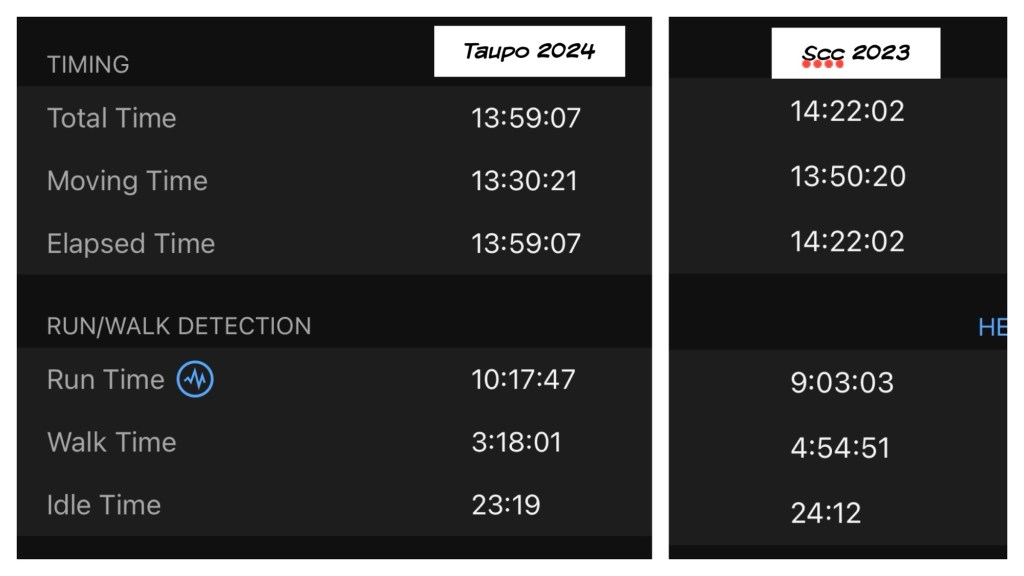
As a percentage, I ran 10% more (according to the Garmin run/walk metric thing) than I did when I ran Surf Coast Century last year.
73.6% run time compared to 63%. I’ll take it. That’s an hour and 15 minutes more running than my last 100km effort.
I also compared to my Kosci time from 2022 because the checkpoints at that race had in and out times. The official aid station time at that race was 50:11 and my watch said 51:32 so that’s pretty good accuracy over almost 17 hours. My run time for that race worked out to be 52% and that was the year with less cheese grater although the fall on it added to stop time.
Don’t rely on your crew
Don’t get me wrong here, I was so grateful to have someone to drop me off, pick me up and be “out there” supporting me on the day.
Crewing is bloody hard work. You have to get up early like the runner, drive (usually the long way around) to find your runner at the spots and be there in the middle of the night to pick them up, take them home and feed them.
(Here’s my YouTube video of crewing a 100k race a few weeks ago)
They are probably tired and emotional and if in my case, cranky AF.
But the crew is only as good as the tracking or how well they know the pace of the runner. You can make a spreadsheet with your predicted times which may help, but your crew could still be waiting around for you for hours or miss you completely.
Taupo was a great example of this.
I had my phone with me and an AirTag in my pack. The race also had timing mats at each checkpoint and phone reception was sketchy at best.
I have always used the drop bag service if a race offers one. I’ve never had a race loose a bag and it’s always worked really well for me, I have a system.
The only thing I left with my crew was a spare pair of shoes. The only reason I did that was because at Tarawera earlier in the year I put the spare shoes in the 110k drop bag and I wished I had them earlier but there was nothing I could do about it.
I figured if I left them with my crew in the car, then I could message and ask for them ahead of a checkpoint.
Turned out I didn’t need them at all. Tarawera miler this year is still the only time I’ve ever wanted to change shoes.
But the moral of the story here, is that despite best efforts, my crew missed me at 2 out of 3 of the crewed checkpoints. If they had my fuel with them, I could have been in big trouble.
When I crewed at Great Ocean Trail Ultra a few weeks later, I used the Garmin inreach to track the runner. It was a lot more expensive ($50 to activate it and have it ping every 10 minutes) but it was worth every penny on the day.
You might think using drop bags takes longer but it really doesn’t. Make your drop bag recognisable and have a system and it is super quick.
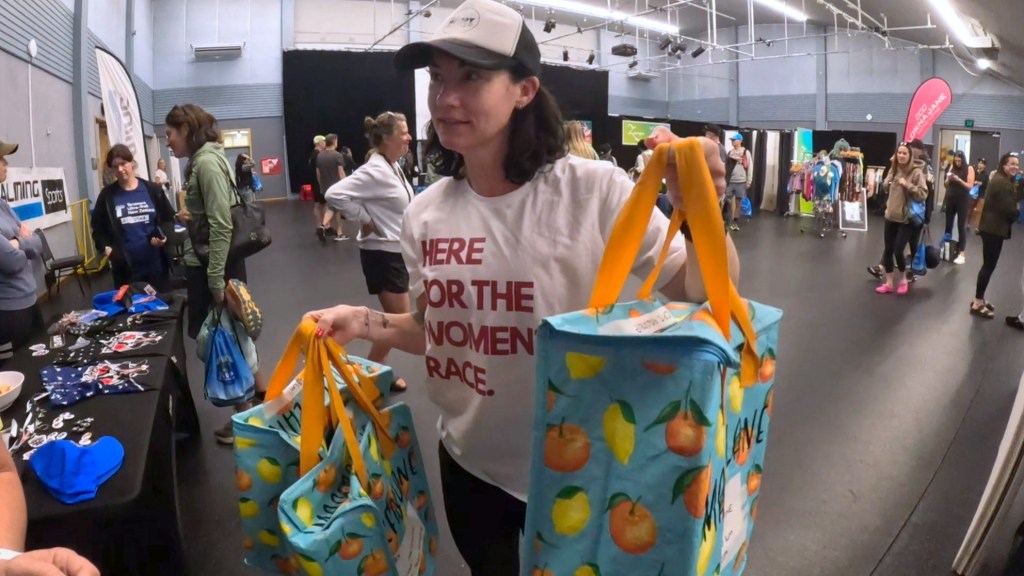
If you are worried about forgetting something or rushing, have a little list on a cue card in each bag or a basic system of swapping one bag of fuel for another.
I made a video of my drop bags for Taupo.
I’m overall pretty happy with the race now a few weeks removed but these are big things I’ll be paying attention to for my next big race.
 MelMac Runs