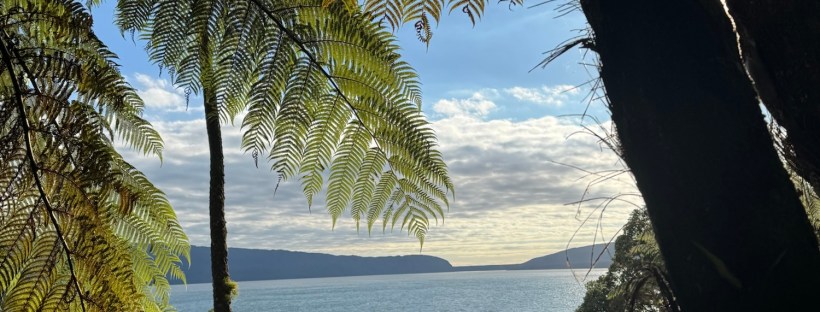
Tarawera is that race for me. The race that despite all my efforts, never goes quite right.
For those new here, I’ve started the miler three times after running my first 100k race there in 2017.
I entered in 2018 only to be diagnosed with pelvic stress fractures two weeks before.
I gave the 100 mile dream a break for a few years to build back up and then there was a little global pandemic.
2021 was a New Zealand athletes only year as the borders were still closed.
2022 the race was cancelled due to pandemic lockdowns.
In 2023, I came back. I started and withdrew at 65k due to a hip issue (I thought it was stress fractures, it was just hip bursitis).
In 2024, I was determined to get it done. It didn’t go to plan, but I finished in 33 hours and 30 odd minutes. I was stoked with the finish but I wasn’t at all happy with the result.
So I came back in 2025 to try again.
I was really happy with the lead up.
I’d been focused and dedicated. I followed the plan (mostly). I’d been running well, hitting PR’s in most distances all year. I was feeling quietly confident in my chances of having a decent race.
I was excited to return to the race. The course was new, as they tried to get back to the old that was damaged by weather. UTMB/Ironman had acknowledged some of their shortfalls and seemed genuine in motives for changes and improvements but maintaining the events heart (I still hate the logo, and the slogan!).
I got to the week before the race genuinely wanting to do it, not feeling obligated for any reason or just wanting to get it over with. Sometimes making it to the race with the same enthusiasm you started with is half the battle.
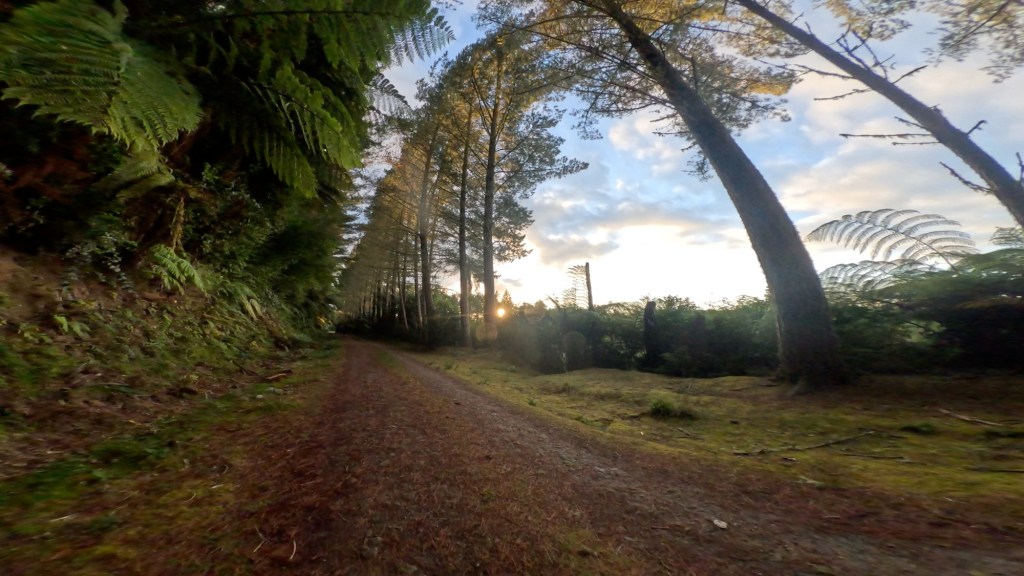
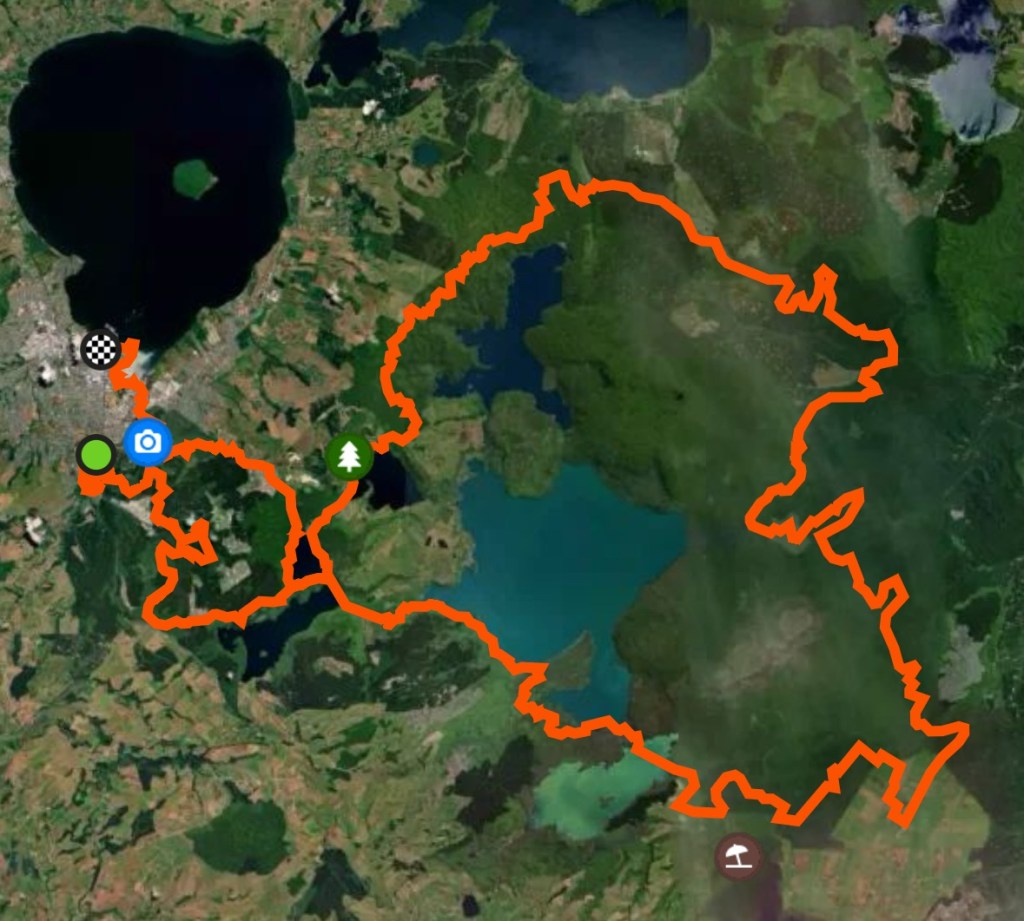
Since I’ve written so much about this race, I won’t go over it all again here, but essentially the course in 2025 was back to being a single loop, starting in central Rotorua going out and around (or across) a bunch of stunning lakes of various colours, through the pine forests and private farms, before coming back into Rotorua via the Redwoods forest and infamous Sulfur flats.
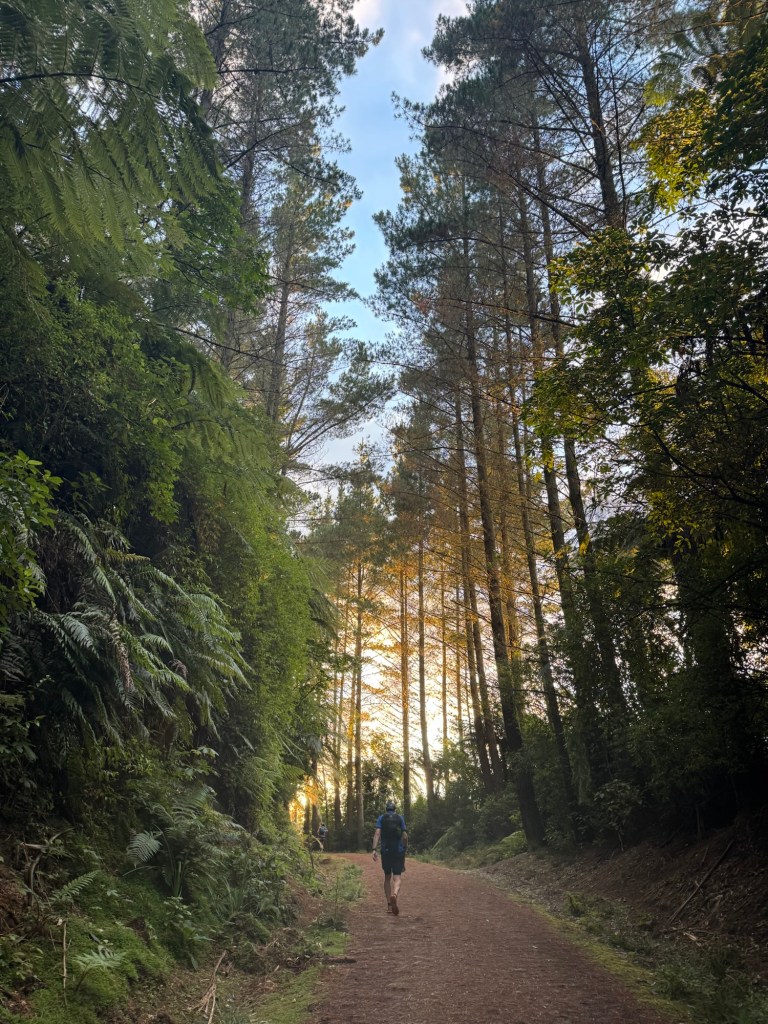
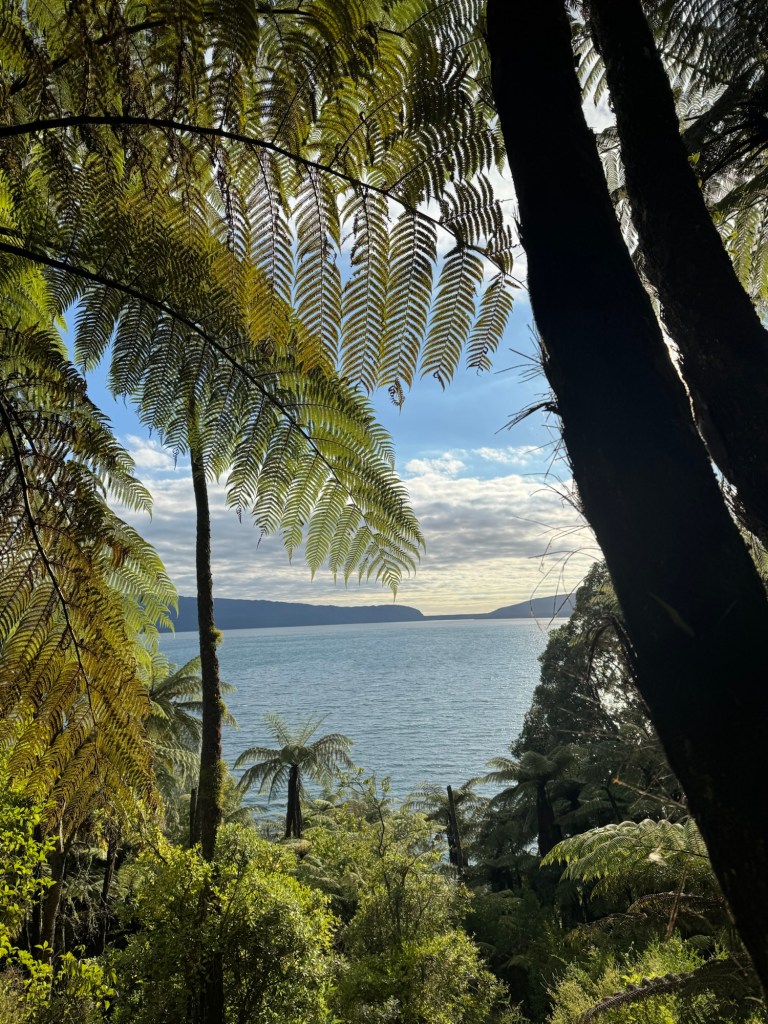
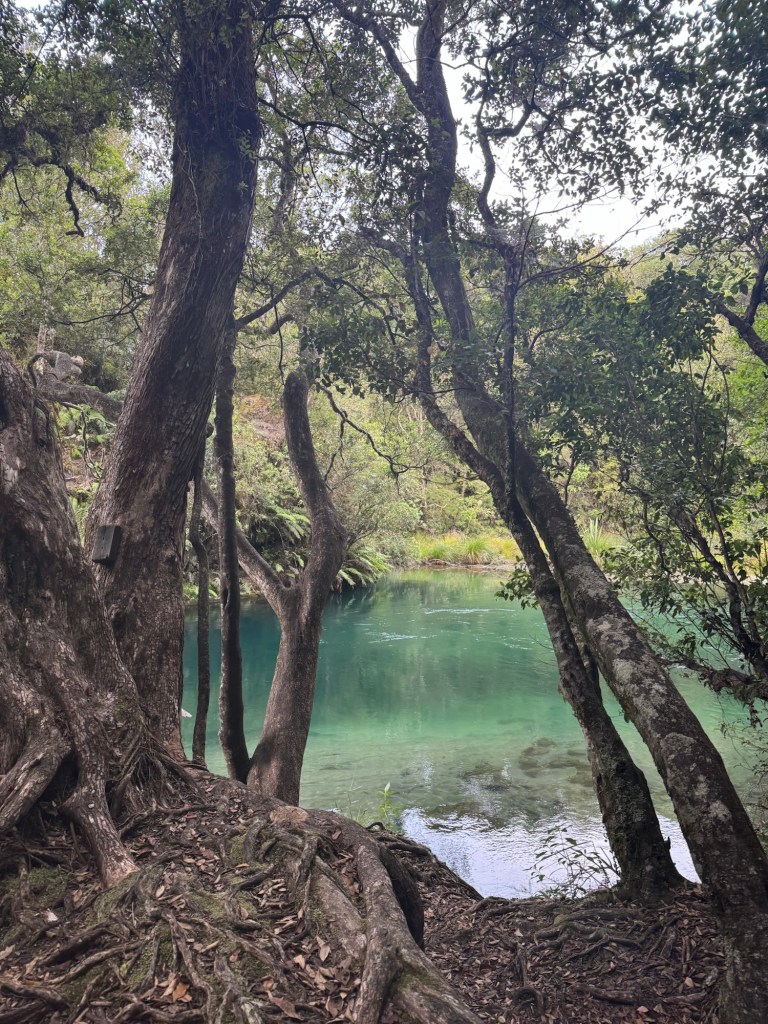
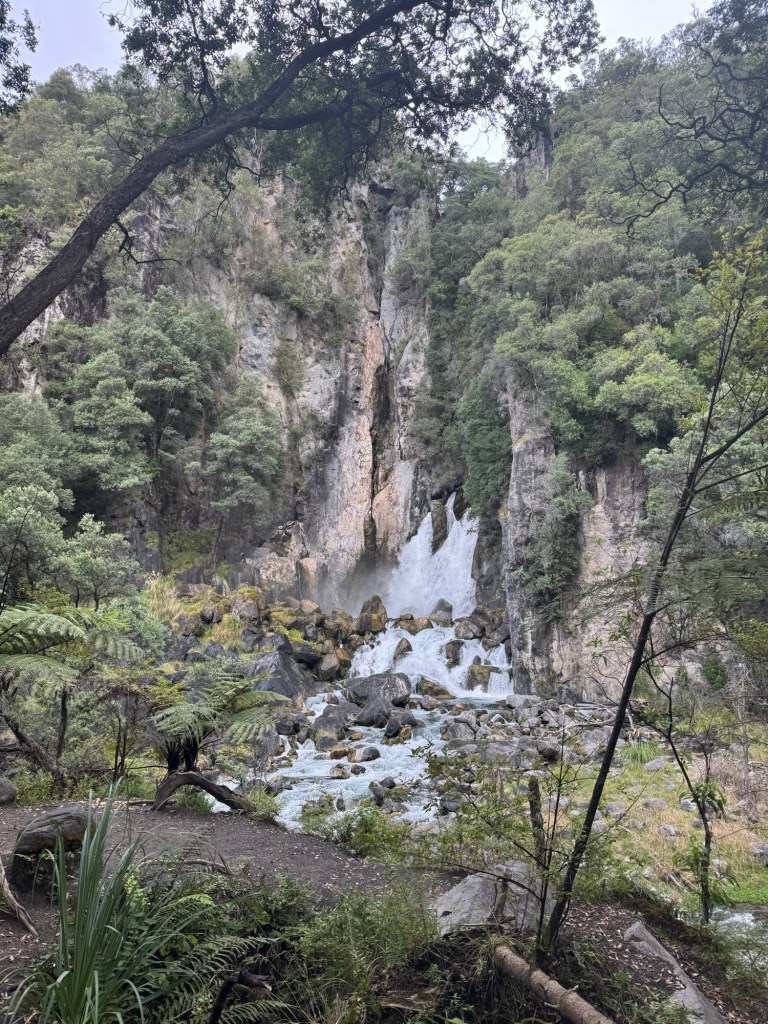
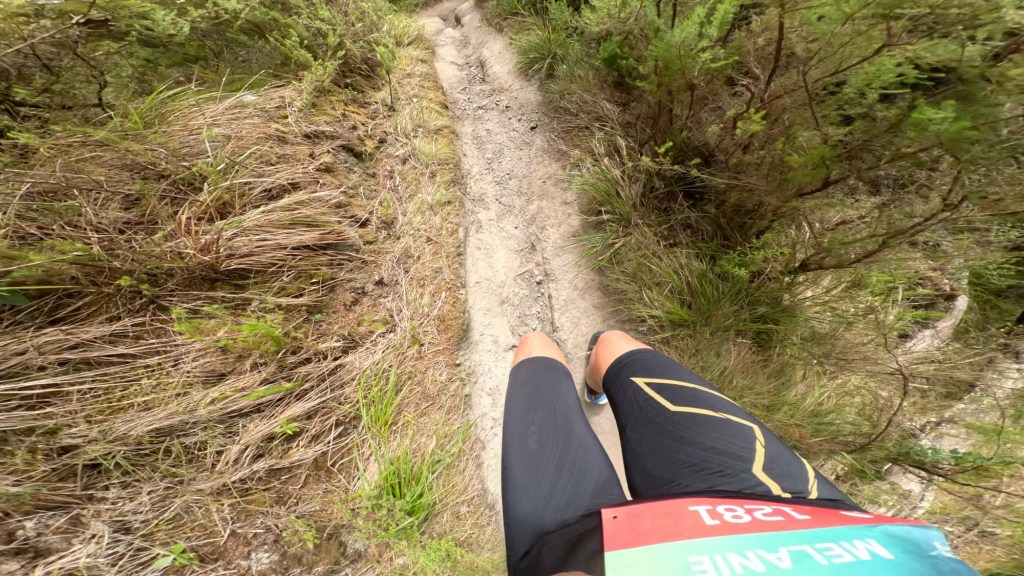
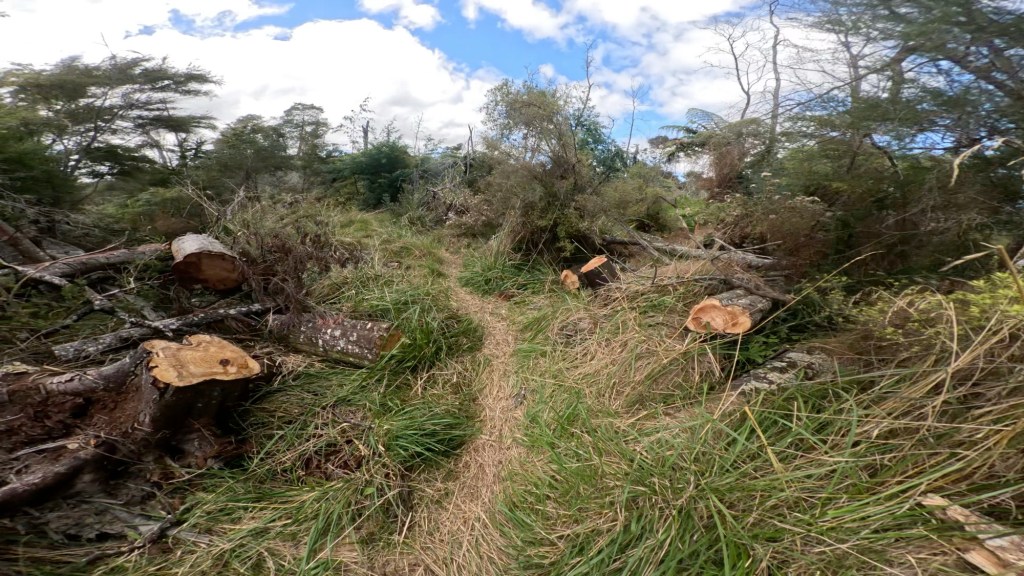
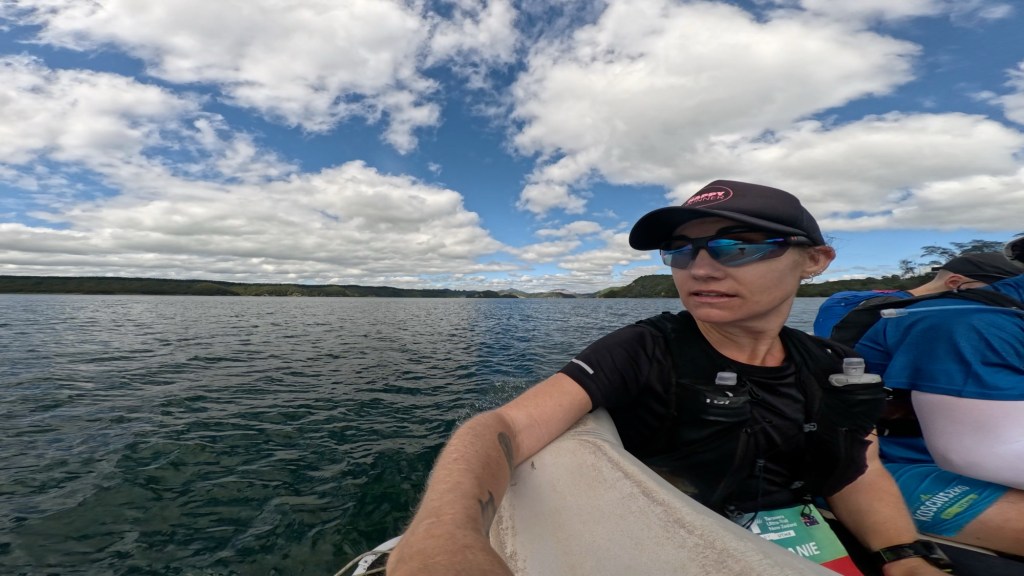
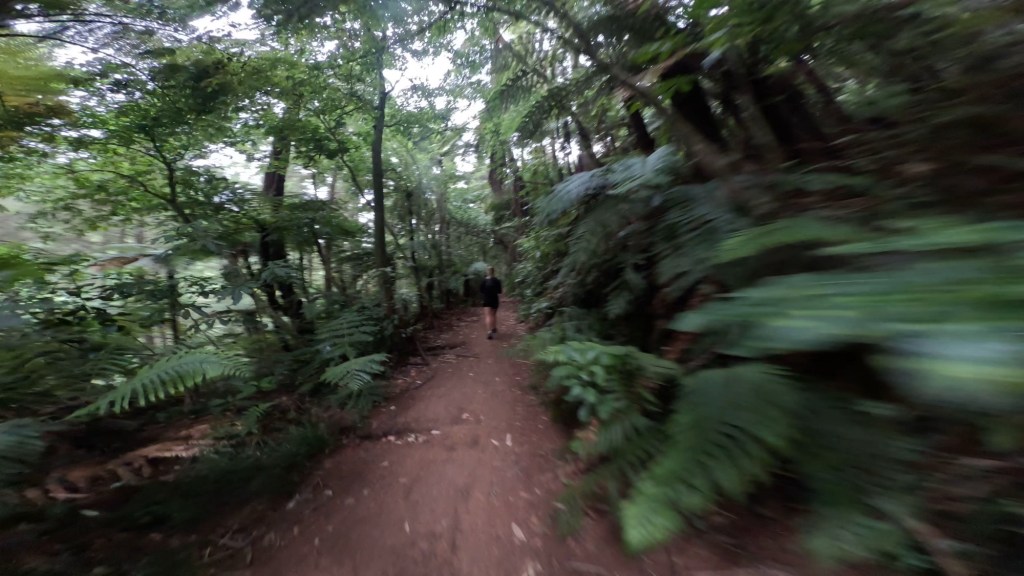
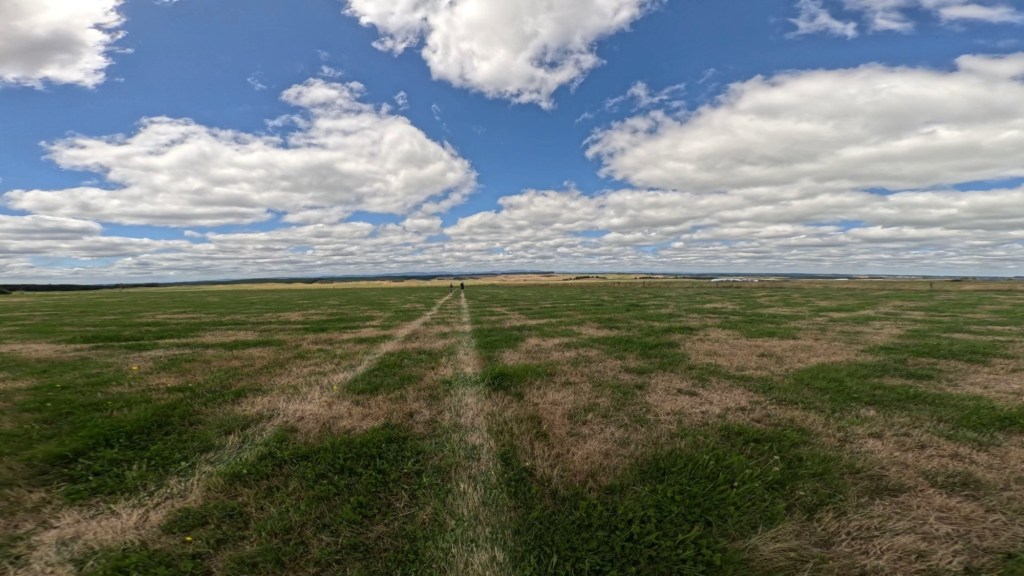
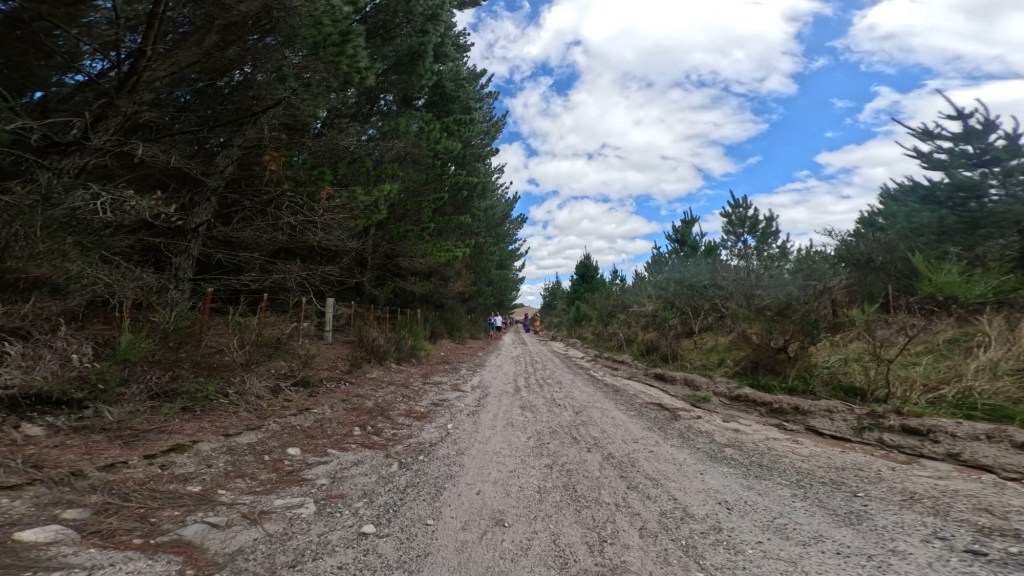
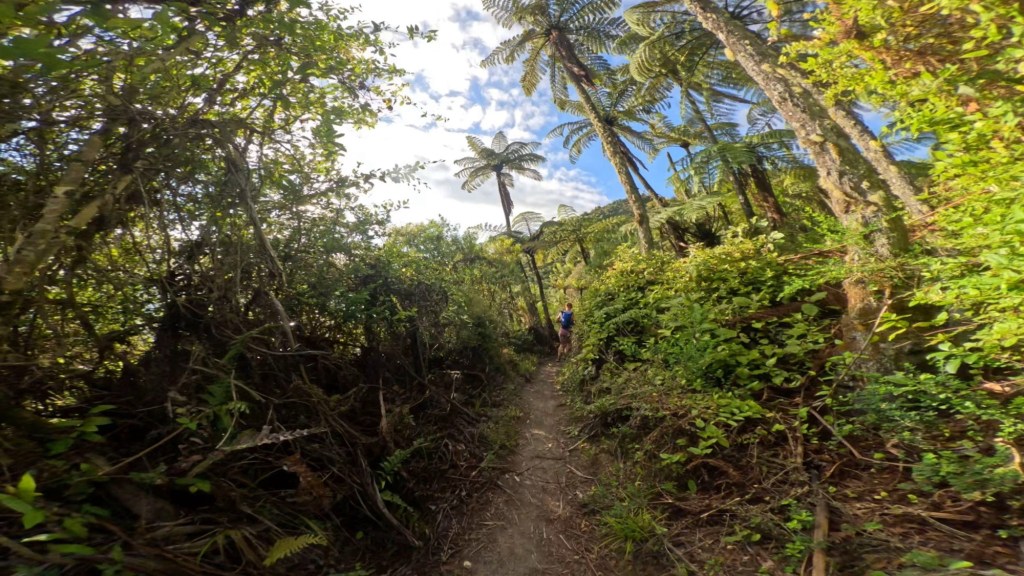
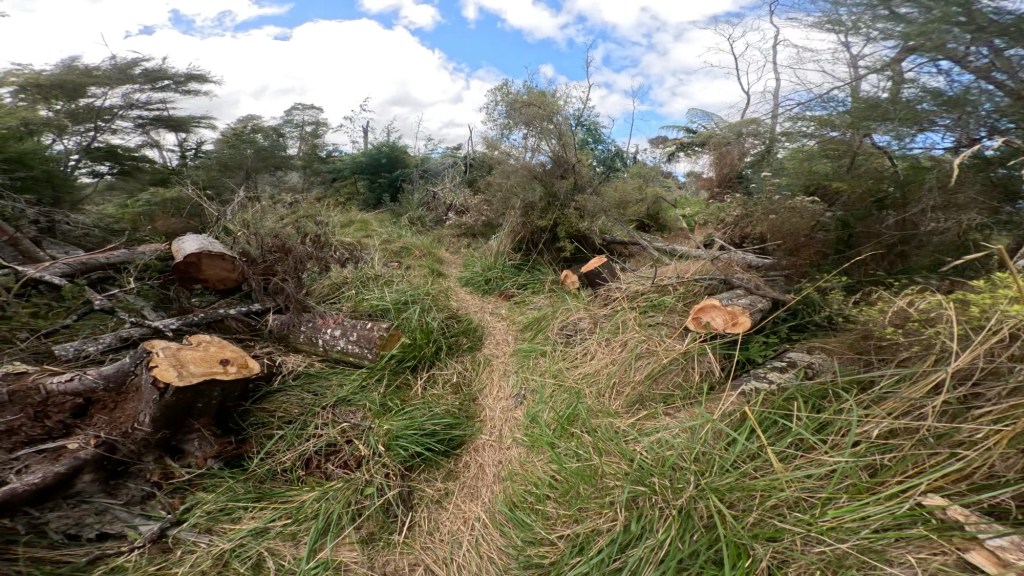
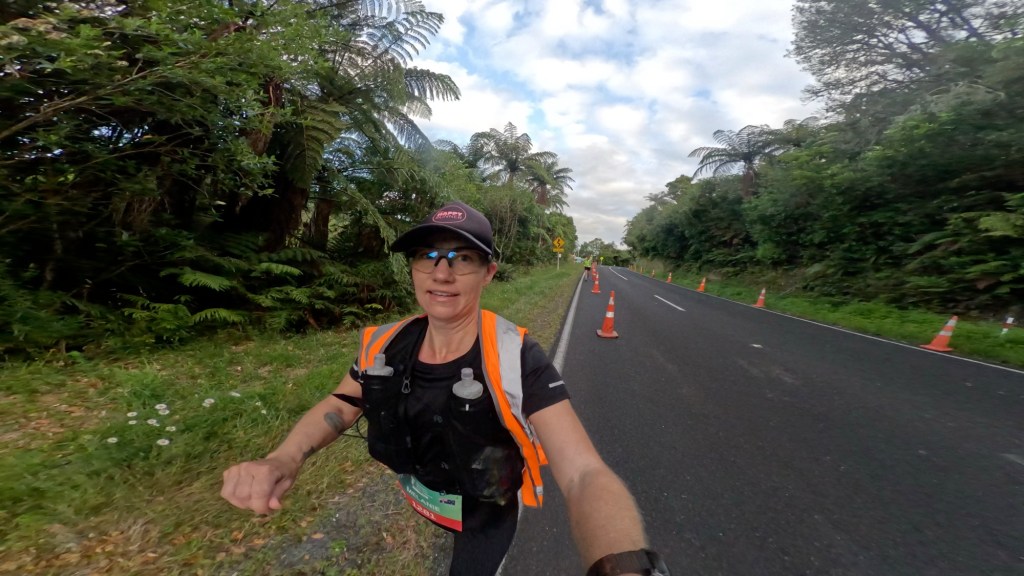
It should be around 163km on foot, with a 1.6 (ish) km boat ride in the middle, which counts towards your overall time on course but the distance isn’t counted in your running.
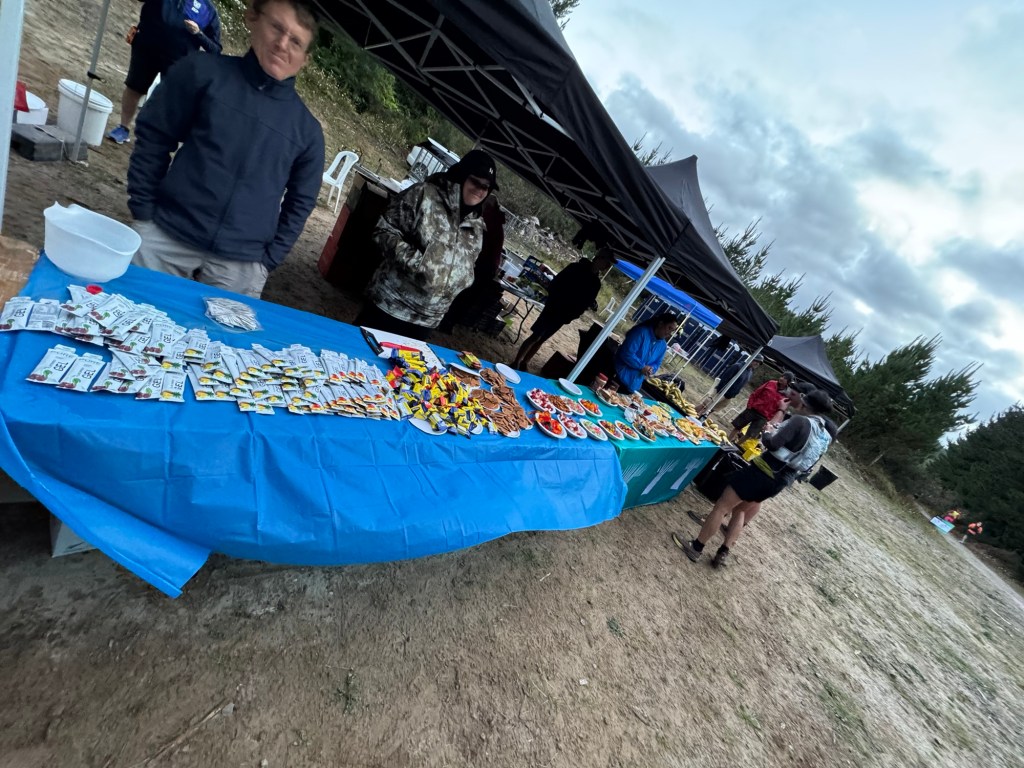
There were 13 aid stations, spaced between 8 and 16km apart. Manned by the most incredible people and stocked with every snack you could imagine. From actual sports products like gels, bars and drink mix to lollies, chips, fruit, sandwiches and noodles.
You could have crew members come to six of the stations and a pacer go with you out on course from 115km to the finish.
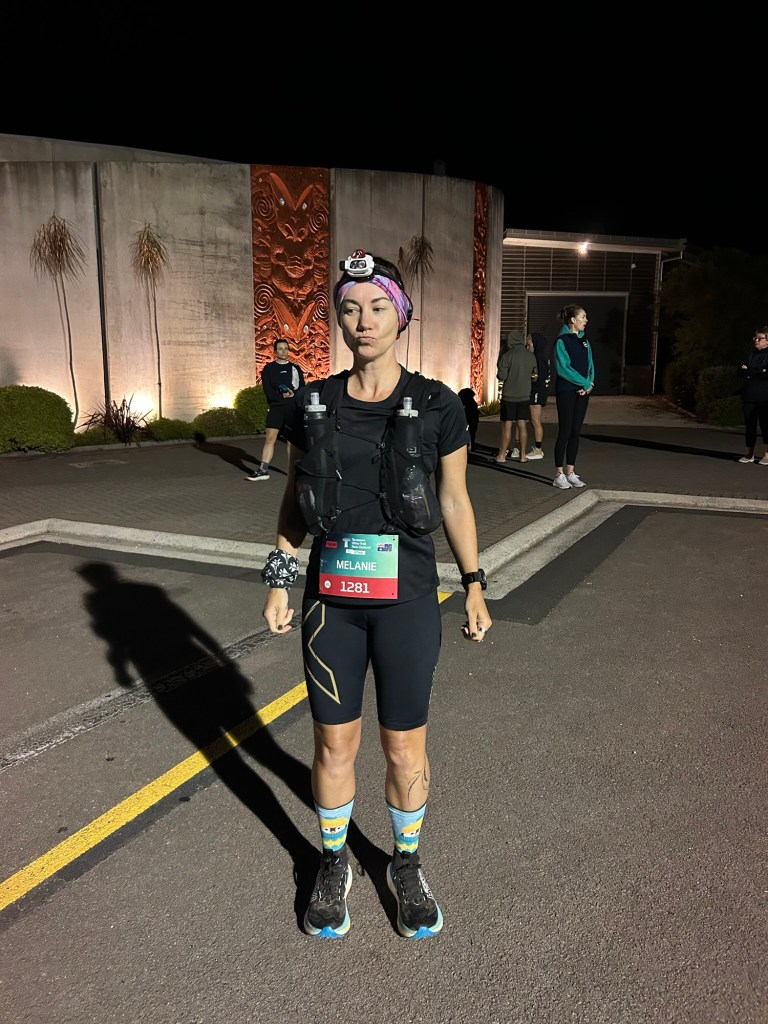
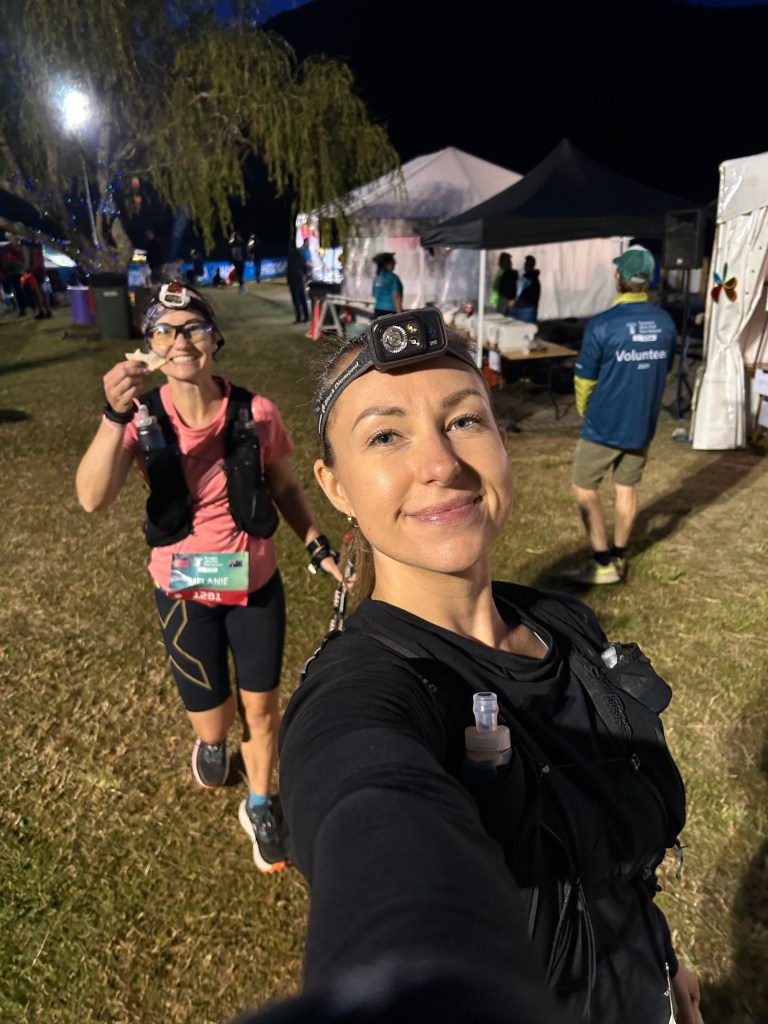
The race starts at an ungodly 4:00am and I headed off with 412 other people into the darkness and smelly sulphur smells of Rotorua. 29 and a half hours later I arrived back in Rotorua.
As a brief run down, things were going great until my left knee got extremely sore going up hill. I negotiated with it and walked the up hills and ran the rest. Then it said no to flats and eventually no to downhills as well and I was reduced to a power walk.
Things I did well
I felt like, even though it wasn’t the pace I wanted, I was pretty consistent with my effort and my attitude.
I stole the Lucy Bartholomew quote of “the only thing you can control is your effort and your attitude”.
After getting in a grump over nothing at Taupo, I didn’t want that to be my Tarawera experience. I knew there would be low moments, but to be honest there was probably only one, but I was committed to “having a good attitude” which isn’t usually my default setting.
I was genuinely excited to be running the race, which isn’t always the case, so I’m sure that helped.
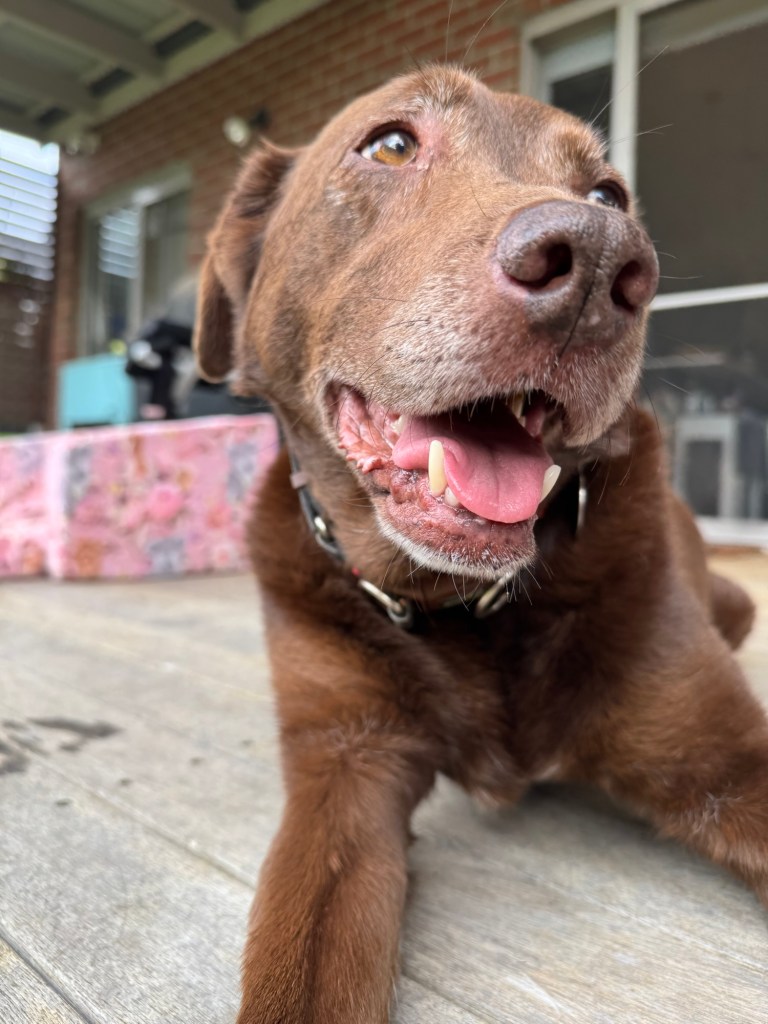
I picked a mantra in like the first 2km or so, “all day Freddo pace”.
I could get stuck behind someone on a single track or run a k a little too fast (don’t worry that only happened once!) and I would remind myself that the pace didn’t matter as long as it fit into “all day Freddo pace”, which for the old boy is somewhere between 6:30- 9 min/km! It’s a massive range!
They say you are only as fast as your slowest training partner, well that maybe true, but I was going to make it work for me.
This strategy stopped me obsessing over my watch or my spread sheet.
When the wheels began to fall off, the mantra still applied. My boy is a pretty slow walker, his mantra is “stop and sniff every single flower, weed and blade of grass”. So instead of 7-9, it went out to 10-12 min/km, I was walking as fast as I possibly could.
I also managed to stay focused on the task at hand, getting to that finish line.
I chunked the race up into aid stations and focused on just getting to the next one. The only time it got really hard and my knee was so bad I was literally using my poles as crutches to get down a very steep muddy section (sliding on my bum was the best option, but I was worried about rocks under the slop!), I just kept saying to myself, just get to Okataina. There was my drop bag, an aid station and hopefully my crew with a Panadol to help with this knee situation. I focused on that, not the issue with my knee that could have meant the end of my race.
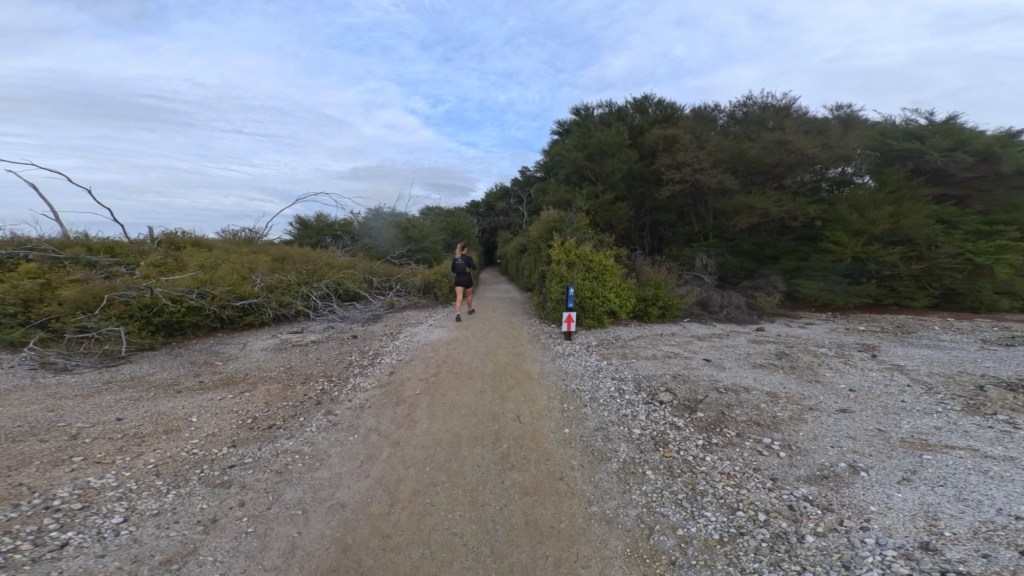
Not going to lie, having a pacer was a game changer in this respect. You can’t drift away into fatigue or apathy for your race when you are literally chasing your mate through the Nz bush! That long 17k section between Okataina and Miller road, when it’s dark, the middle of the night (we left Okataina at 12:50am) and really lonely (last year I saw one person in about 6 hours!) it’s really easy to just dilly daddle and watch your goals vanish into the haze of the night.
I didn’t allow myself to consider dropping out of the race.
When the goals went out the window, I let them go. I didn’t grieve them, or re-adjust them, or make excuses for why I didn’t reach them, I just let them go.
I really did only have the goal of wanting to do better than last year. I was really disappointed in last years Tarawera and I wanted to do better (I still do!). The spreadsheet with loftier goals was great and I think an important tool to know where certain paces will land you in the end but getting too attached to that could be dangerous.
I could have dropped out because of my knee issue, maybe if my head was in a different space I would have.
I knew it wasn’t permanent damage, it was pissed off that I was trying to run 100 miles and it was letting me know about it, first quietly and then less so.
I also knew that whatever it was, it would effect the next 6-8 weeks of training and recovery, I’d probably be resting and then run walking and I’d probably get yelled at by the physio and told to go to the gym. I was ok with that too. I was still moving well and consistently and time wise, I was doing better than last year. That was enough.
Knee problem aside, I managed my body well.
I ate well and often, refilled my bottles at every checkpoint, and took something fruit or chips or a sandwich from each checkpoint. I had two minute noodles and bakers delight scrolls. If I started getting negative, I ate.
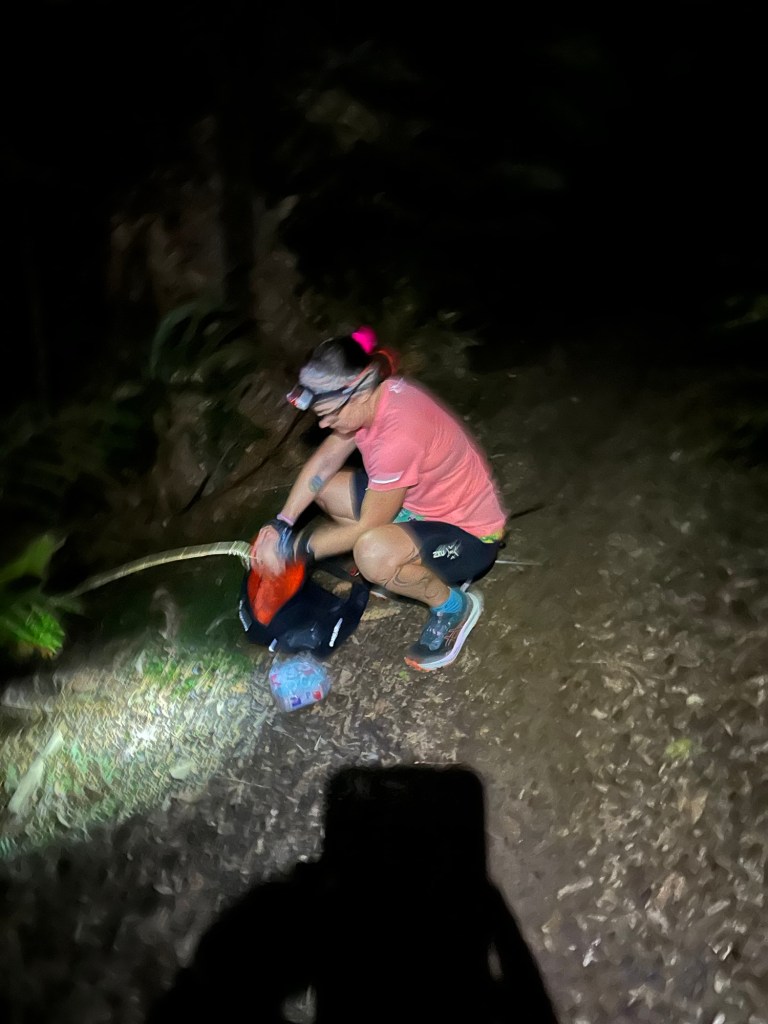
I stopped on the trail in the dark at one point to pull out my first aid kit and fix a hot spot on my foot. A lady who passed me asked if I was ok and I said I was fixing a hot spot and she said “oh good on you for doing that before it gets worse”.
Even my post race shower wasn’t spicy, there were a few small chafes spots but nothing major and no sunburn. I’ve had worse chafing from regular training runs.
I cut down on “stoppage time” as much as I could.
In my pre race spreadsheet planning, I included 70 minutes for aid station stops. This was 3 minutes for bottle refill stations only and 10 minutes for ones with drop bags. This is pretty laughable to be honest, I’m not a fancy elite athlete having formula one style pit crew stops.
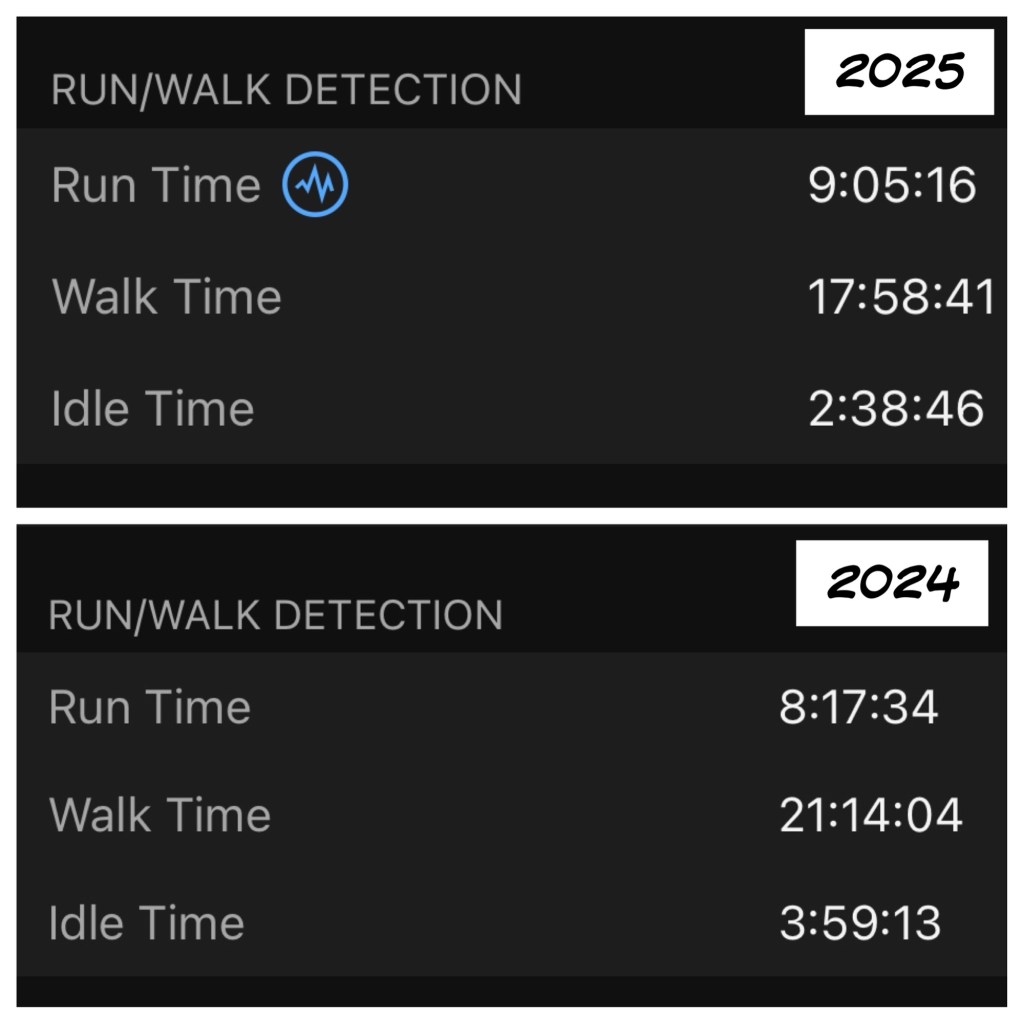
Last year, according to my Garmin data I was stopped/stationary in some capacity for almost 4 hours. That seemed ridiculous to me when I saw it, I knew I could do better than that but 70 minutes was a bit ambitious.
I did improve on last year but I was stuck with the unavoidable requirement of having to make toilet stops I hadn’t planned on due to having my period on race day. I didn’t keep track of just how much time I wasted waiting in line for porta loo’s at aid stations but it wasn’t nothing and it all adds up.
Whilst I’m grateful that time and inconvenience was the only real side effect (ie: no extra bloating, pooping, general PMS things that aren’t fun to run with), it was still something that factored into my race that I hadn’t exactly planned for.
Speaking of stoppage, this year I embraced the idea of having help. I still organised my bags but I had a crew, who were happy to get up at 3:00am to drive me to the start line, to show up at a checkpoint in the middle of nowhere and wait for me only to say good job and fill up some water bottles and go to the next one, at 6:00am the following day. I tried not to let it stress me out and just went with it. I hope they know how much I appreciate it, the photos, the pick ups and drop offs, the post race pizza run, all of it. It’s a really long day for them too. Megs walked with me for 8 hours! Fitz drove between the checkpoints and saw us at each one along the way, cheering, taking photos, making sure we weren’t dead.
Things I didn’t do well
Your race day decisions don’t start on race day.
The first mistake I made, I made before I even left Melbourne two weeks ago.
I chose the wrong pair of shoes for the task at hand.
I chose to listen to the side of the argument for these shoes that I wanted to hear based on limited information. They were “super shoes”. I’d run a 30k race in them, no issues. I ran a PR in the 100k in them at Taupo, but it wasn’t a perfect race because I struggled with knee pain from around 75k. I heard “PR”, I just ignored the at the time I uncorrelated knee pain.
Well guess what happened at Tarawera, knee pain at around 65k. I could only run downhill, ups and some flats were out. The shoes were also too thin for the terrain for me and by the end of the event the bottom of my feet were as much of a problem as my knee. Interesting as I also commented on this last year. Yes I made the same mistake two years in a row.
Whilst two instances isn’t exactly conclusive, it’s at least an alarming trend.
The second was being a little careless with my drop bags. When I arrived at the first drop bag (30km) I knew I had to grab the spare drink bottle because it was a longer section without an aid station (15k or so). The bottle wasn’t there. Turned out I’d put it in the wrong bag.
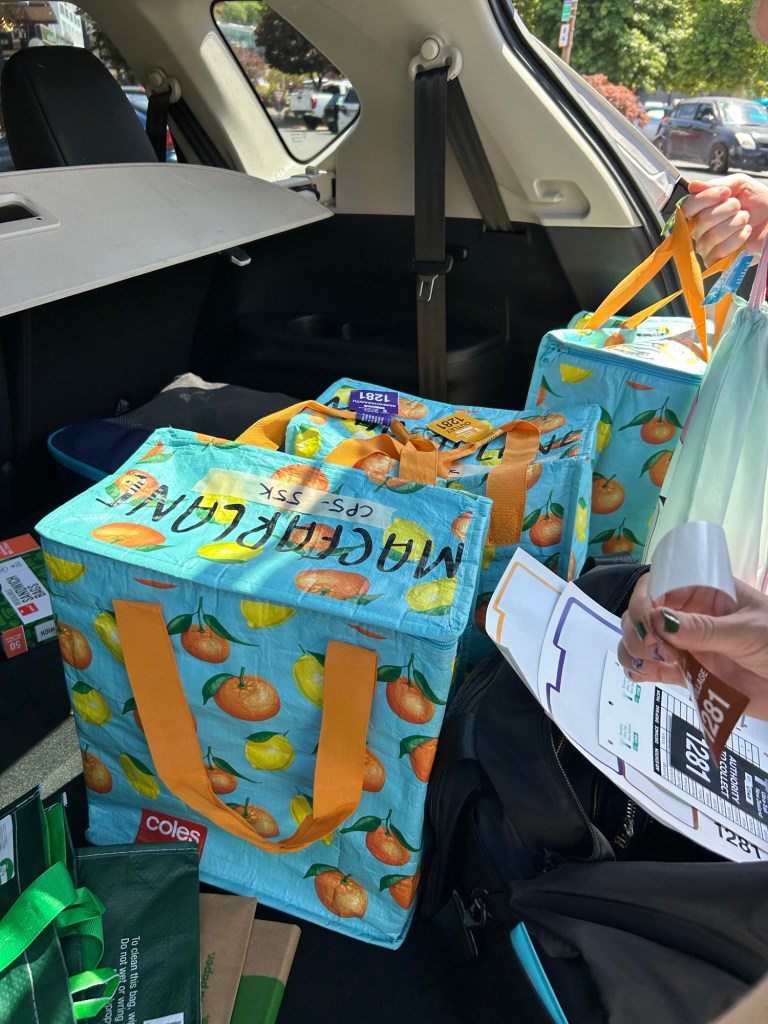
Predictably, I did run out of water a few k’s from the aid station, I was just lucky it didn’t ruin my race as it very well could have. Getting behind on hydration in a long event is no joke even when it isn’t a warm day.
This was a big lesson in complacency for me. It doesn’t matter how many races you’ve done, the details matter.
Training wise, I had a fantastic coach who knows Tarawera like the back of her hand, but I should have listened and done more “power walking” training. I ignored it when it was on the schedule. It was only a few times and only for an hour at a time but it might have helped me set some pacing expectations once I could only walk.
I also let the strength training fall away which is probably the actual cause (as opposed to me blaming the shoes) of my knee issues.
All in all, I’m happy but disappointed. It’s hard to argue with an almost four hour improvement but it’s also hard when you know you can do so much better and just can’t get it to work.
Things to work on and I’ll try again.
 MelMac Runs
2 thoughts on “Race Recap: Tarawera 100 Miler 2025”